If you’ve ever looked up at the edge of your roofline, you’ve seen soffit and fascia — even if you didn’t know their names. These two components do more than finish off your home’s exterior. They protect your roof structure, control attic airflow, and keep pests and moisture out of places you really don’t want them. In South Louisiana’s heat, humidity, and storm season, that protection matters more than almost anywhere else in the country.
This guide covers everything a homeowner needs to know: what soffit and fascia actually are, what they’re made of, why they matter, how to spot damage, and what to do about it — before small problems turn into roof, gutter, or structural repairs.
What You’ll Learn
- What soffit and fascia are, and how they work together
- Why they matter for your roof, attic, and home’s structure
- Common materials — and which hold up best in Louisiana’s climate
- Warning signs of damage and what causes it
- How soffit and fascia relate to your gutters
- Maintenance tips and when to call a professional
What Is Soffit?
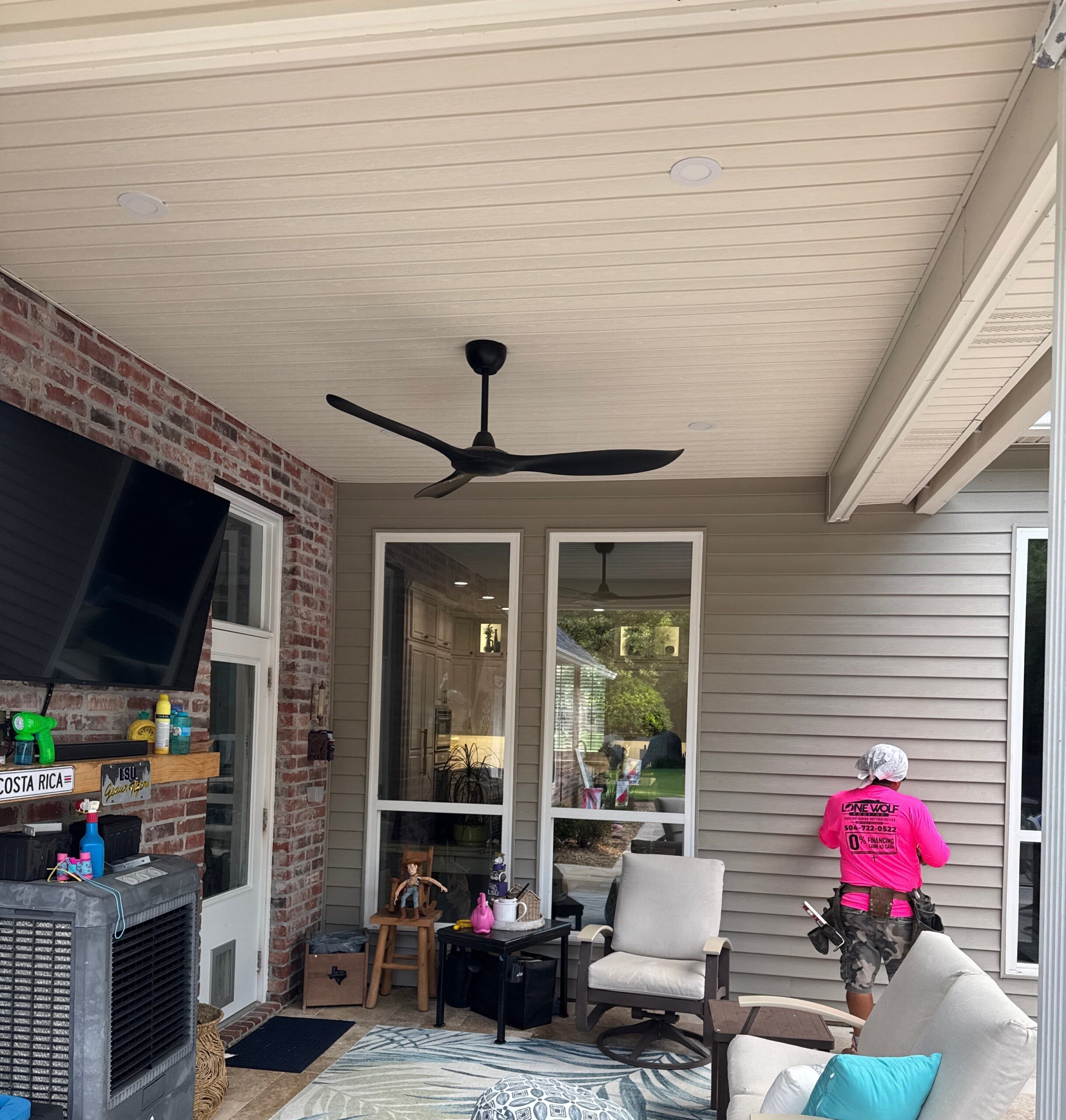
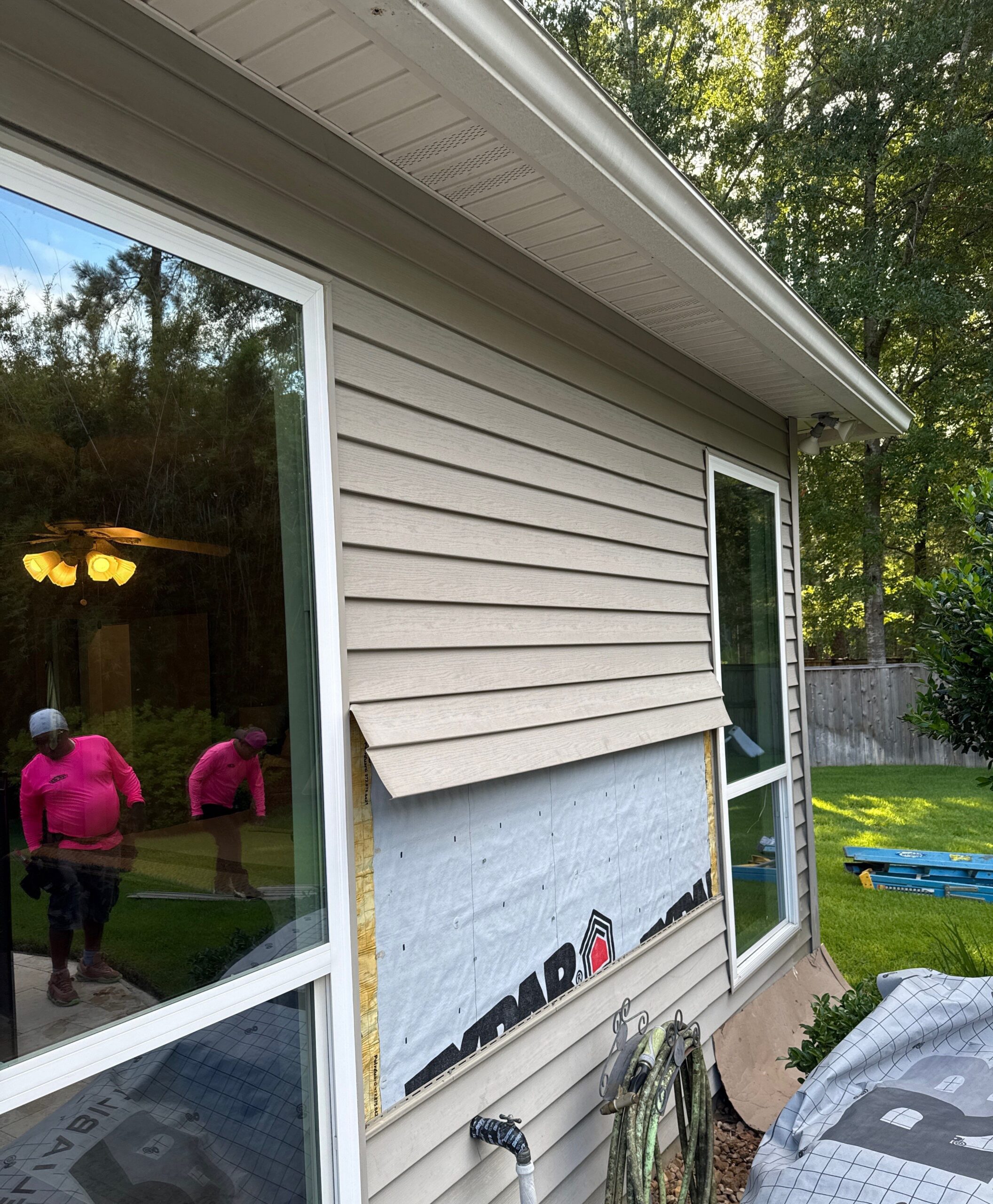
Soffit is the material that covers the underside of your roof’s overhang — the horizontal section visible when you look up from underneath your eaves. Think of it as the “ceiling” of your roofline, connecting the exterior wall of your home to the outer edge of the roof.
Its main jobs: soffit closes off the underside of the roof structure, keeps out birds, rodents, and insects, and — in most designs — provides ventilation into the attic through small perforations called soffit vents.
Without soffit, the rafters, decking, and attic space underneath your roof would be exposed to weather, pests, and debris.
What Is Fascia?
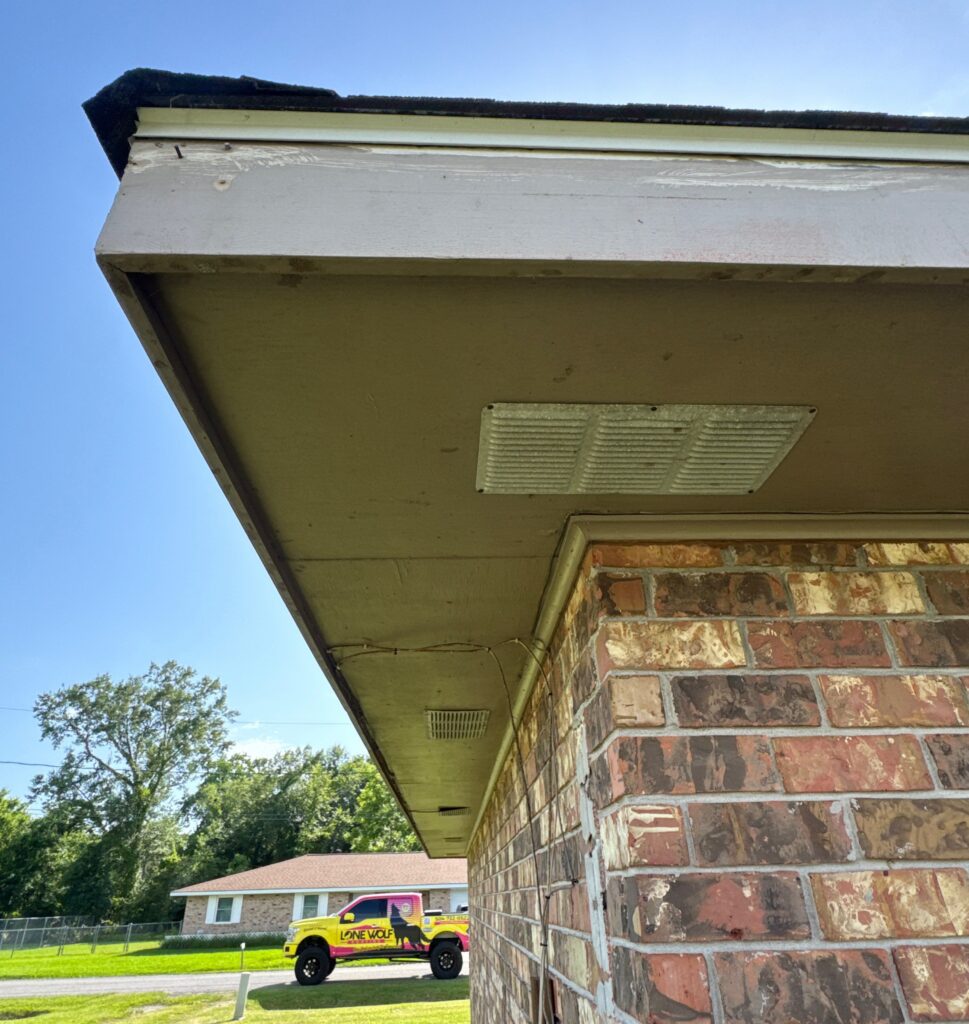
Fascia is the vertical board that runs along the edge of your roofline, directly behind your gutters. It’s the trim piece you see when looking at your house from the street — the long, straight board that caps off the ends of the roof rafters.
Its main jobs: fascia provides a finished edge to the roofline, supports the lower edge of the roof and the roofing materials, and — critically — holds your gutters in place. Gutters are typically screwed or hung directly into the fascia board, which means fascia condition directly affects gutter performance.
How Soffit and Fascia Work Together
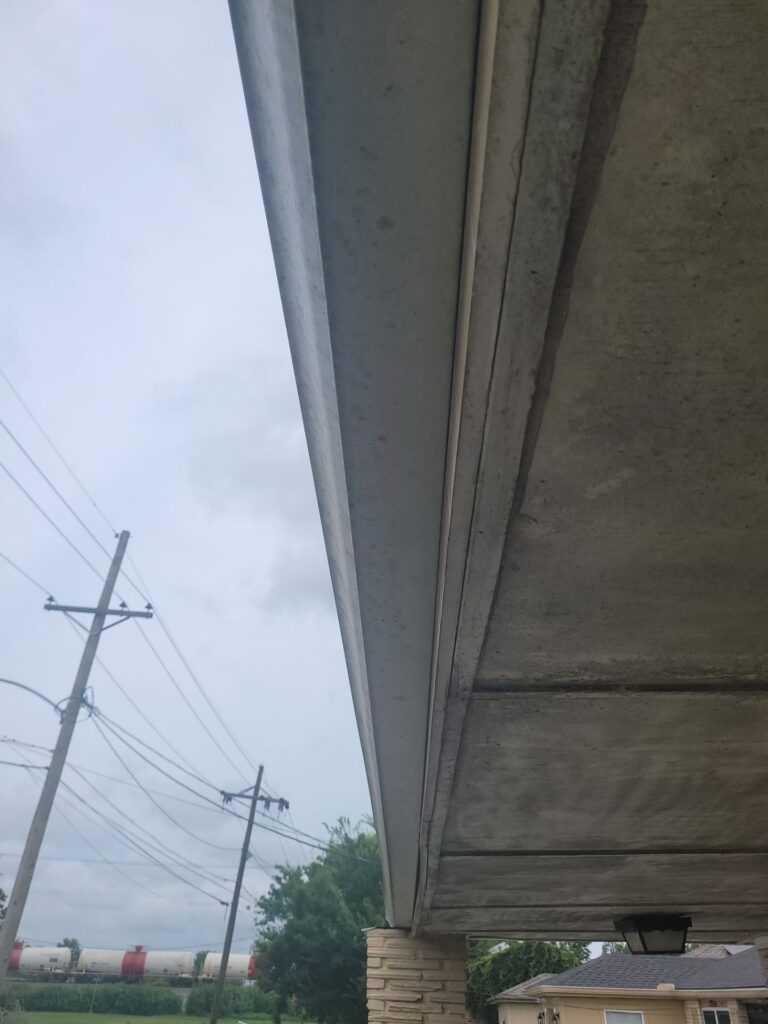
Soffit and fascia are almost always discussed as a pair because they form a single connected system at the roofline:
- Fascia caps the ends of the rafters and creates the surface gutters attach to
- Soffit spans the gap underneath, sealing off the attic space from the outside
- Together, they create a finished, weathertight transition between your roof and exterior walls
When either component fails, the other is usually affected soon after. Rotting fascia can pull away from the roofline and take gutters — and sometimes soffit — down with it. Damaged soffit lets moisture and pests into the space fascia is supposed to help protect.
Why Soffit and Fascia Matter for Your Home
1. Attic Ventilation
Most soffit systems include small perforations or vents that allow outside air to flow into the attic. This is a core part of a balanced attic ventilation system — intake at the soffit, exhaust higher up at the ridge or gable vents. Proper airflow keeps attic temperatures down in the summer, reduces moisture buildup year-round, and helps prevent issues like mold, wood rot, and premature shingle aging from trapped heat.
In South Louisiana’s humidity, a blocked or damaged soffit can quietly turn your attic into a moisture trap — long before you’d notice anything from inside the house.
2. Structural Protection
Fascia boards support the bottom edge of your roofing system and the weight of full gutters, especially during heavy rain. Soffit protects the rafter tails and roof decking from direct weather exposure. When these components deteriorate, that protection goes with them — leaving your roof’s structure more vulnerable to water intrusion and wood rot.
3. Pest Prevention
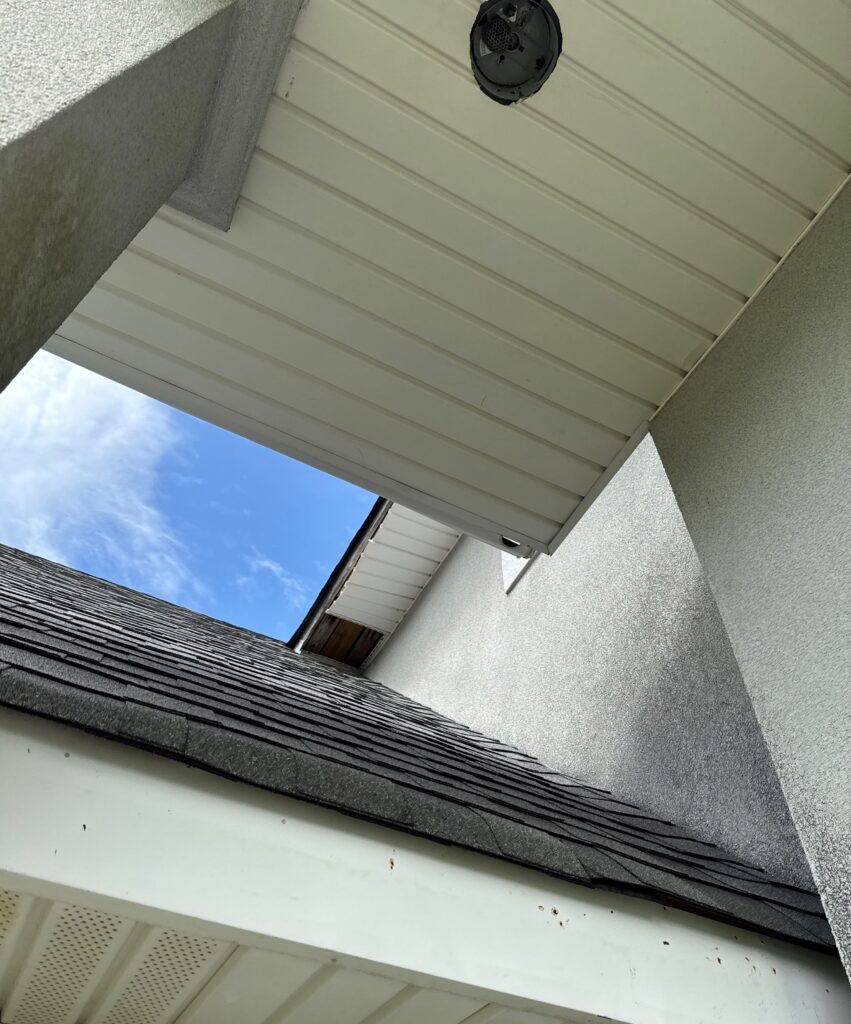
Gaps in damaged or poorly installed soffit are one of the most common entry points for squirrels, birds, wasps, and rodents looking to nest in an attic. Once pests get in, the damage compounds fast — chewed wiring, insulation destruction, and contamination are all common outcomes of an entry point that started as a small soffit gap.
4. Curb Appeal and Home Value
Soffit and fascia run the entire perimeter of your roofline, which means damage, sagging, or mismatched materials are highly visible from the street. Clean, properly maintained soffit and fascia noticeably improve curb appeal — and conversely, visible rot or staining is one of the fastest ways a home starts to look neglected, even if the roof itself is in good shape.
Soffit and Fascia Materials: What Are Your Options?
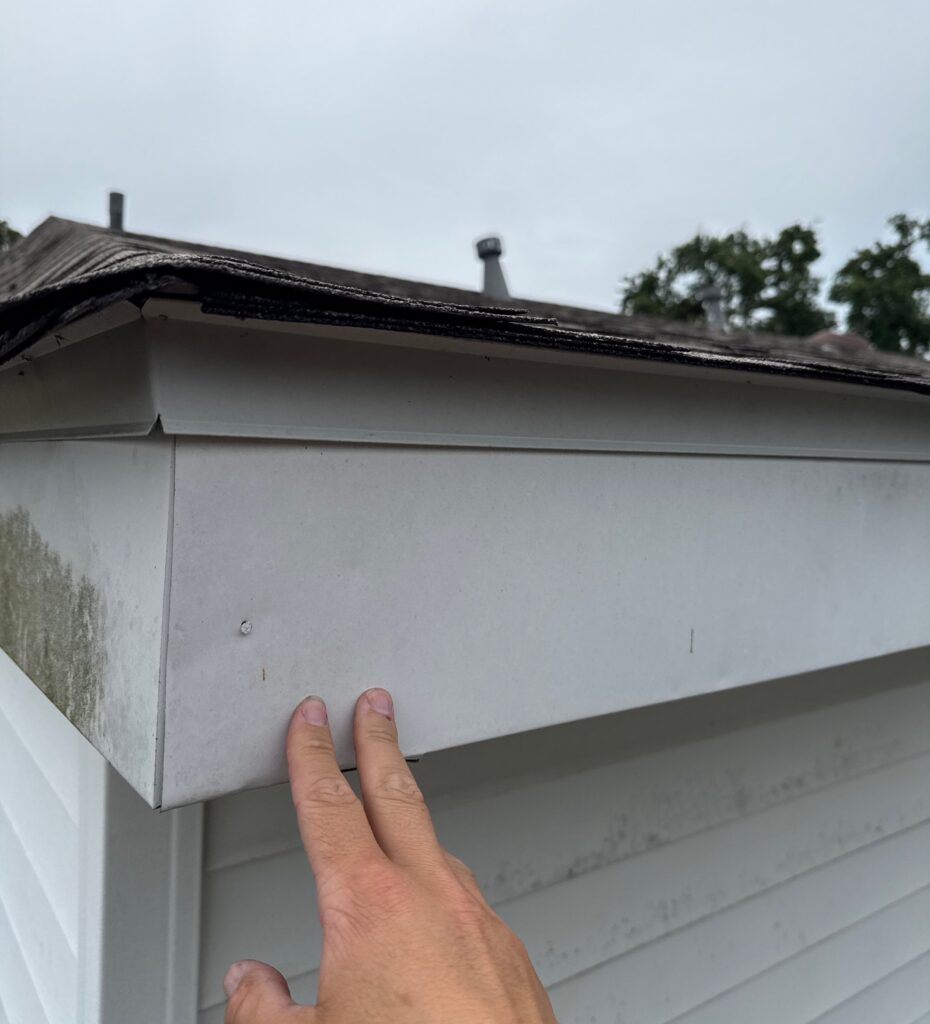
Soffit and fascia are available in several materials, each with different durability, maintenance, and cost profiles. This matters even more in South Louisiana, where heat, humidity, and wind-driven rain are harder on exterior materials than in most of the country.
Vinyl
The most common and budget-friendly option. Vinyl soffit and fascia resist moisture and never need painting, but can become brittle over time with prolonged UV and heat exposure, and lower-quality vinyl can warp in extreme temperatures.
Aluminum
Durable, low-maintenance, and naturally resistant to rot, insects, and moisture — a strong choice for humid climates. Aluminum won’t rot like wood, but it can dent from impact and, over time, may show wear at seams and fasteners.
Wood
The traditional option, and still common on older homes. Wood offers a classic look and can be painted to match any exterior, but it’s the most vulnerable material to Louisiana’s climate — prone to rot, insect damage, and paint failure without consistent maintenance.
James Hardie (Fiber Cement)
An engineered fiber-cement product built to resist moisture, pests, fire, and warping far better than wood, while holding paint longer than most alternatives. It costs more upfront than vinyl but typically outlasts it significantly — a common choice for homeowners who want wood’s appearance without wood’s maintenance burden.
Each of these materials has real trade-offs in cost, appearance, and long-term durability — worth weighing carefully before you decide. We’ll break down vinyl vs. James Hardie vs. wood in more depth, side by side, in an upcoming post.
Signs Your Soffit or Fascia Needs Attention
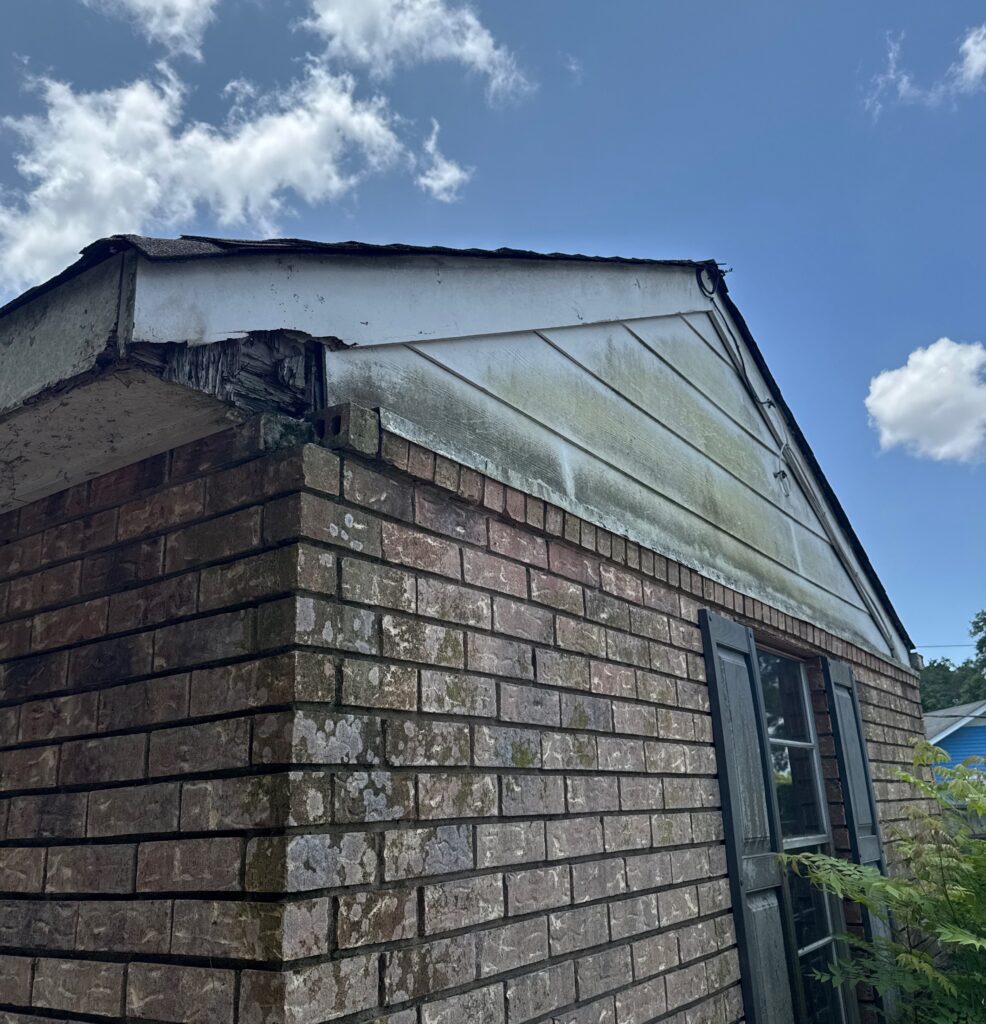
Soffit and fascia damage is often visible before it becomes a bigger structural or roofing issue — if you know what to look for.
Peeling or bubbling paint — Usually a sign of trapped moisture underneath, especially common on wood fascia.
Visible sagging — Fascia pulling away from the roofline is often a sign the wood underneath has started to rot, or that gutters are overloaded and pulling the board down.
Water stains or streaking — Dark staining on soffit or fascia usually points to a gutter overflow or a roof leak draining along the roofline rather than through the gutter system.
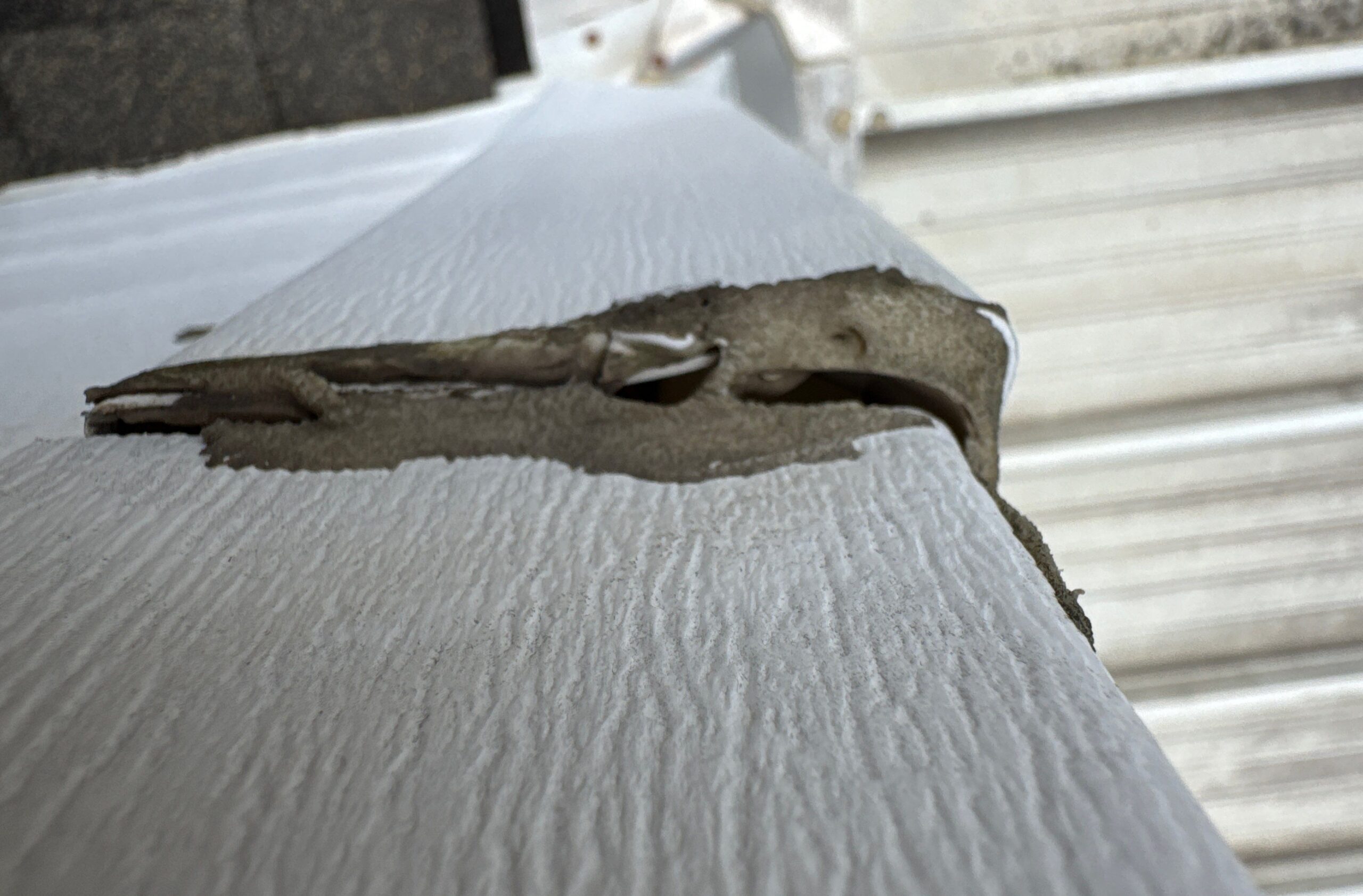
Soft or spongy wood — If fascia gives when you press on it, rot has already set in beneath the surface.
Gaps, holes, or missing sections — Common entry points for pests, and a sign that soffit has come loose or been damaged.
Visible pest activity — Wasp nests, bird nesting material, or chewed openings around the soffit line are a strong sign pests have already found a way in.
Increased attic temperature or humidity — If your attic feels noticeably hotter or more humid than it should, blocked or damaged soffit vents may be restricting airflow.
Left unaddressed, these issues rarely stay small. Rotting fascia can compromise gutter attachment points, and gaps in soffit tend to widen with continued pest and weather exposure. We cover the fascia-specific warning signs — and exactly how they connect to gutter damage — in a dedicated post coming soon.
How Soffit and Fascia Relate to Your Gutters
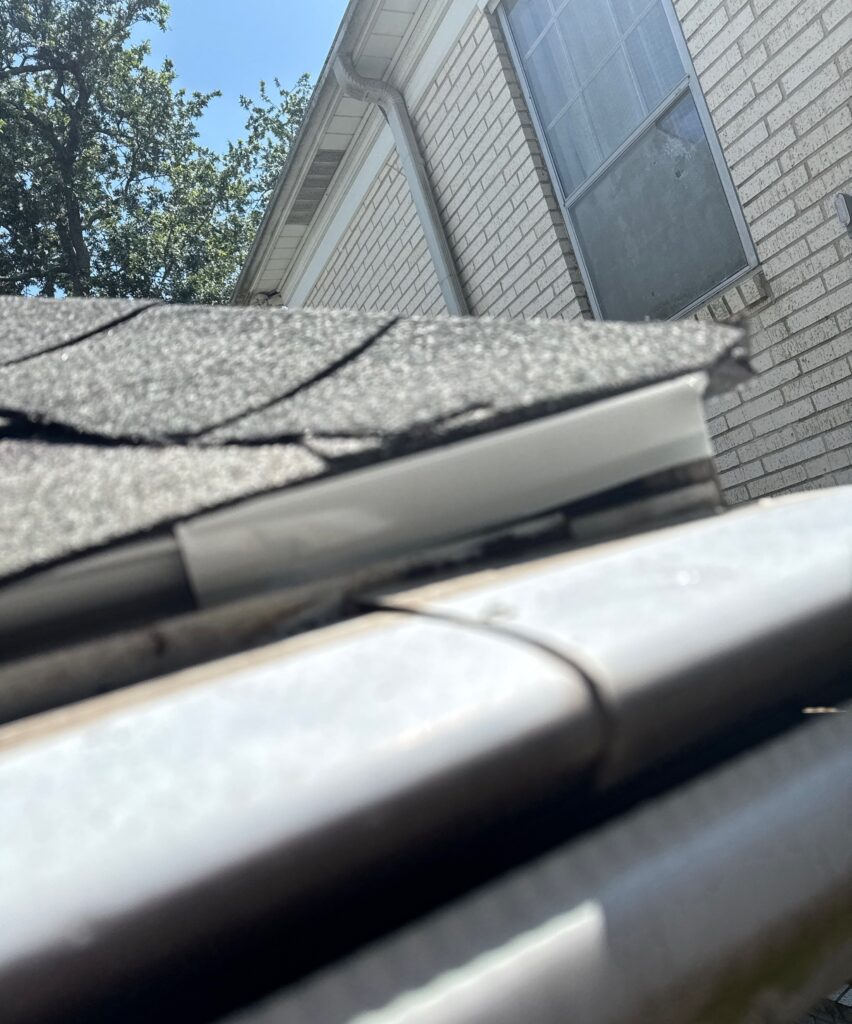
Because gutters are mounted directly to the fascia board, the condition of your fascia has a direct impact on how well your gutter system performs — and vice versa.
- Rotting fascia can’t hold gutter fasteners securely, leading to sagging or detached gutters
- Clogged or overflowing gutters send water directly down the fascia board, accelerating rot and paint failure
- Damaged soffit allows water that overflows from gutters to reach the attic and roof structure more easily
Because of that connection, soffit, fascia, and gutter issues are best addressed together rather than in isolation. If you’re noticing problems with drainage or water pooling near your roofline, it’s worth having your gutter system inspected alongside your soffit and fascia.
Maintaining Soffit and Fascia
Soffit and fascia don’t require constant attention, but a little routine care goes a long way in Louisiana’s climate:
- Clean gutters regularly so overflow doesn’t run down the fascia board
- Inspect soffit and fascia twice a year — spring and after hurricane season is a good rhythm for South Louisiana homes
- Look for peeling paint, staining, or soft spots, especially after major storms
- Keep soffit vents clear of debris, insulation, or paint buildup so attic airflow isn’t restricted
- Trim back tree limbs that hang over the roofline and can trap moisture or drop debris into soffit vents
- Address small repairs quickly — a single damaged section is far cheaper to fix than a full run of rotted fascia
How Much Does Soffit and Fascia Repair Cost?
Cost depends on the material, the extent of the damage, and whether gutters need to be removed and reinstalled as part of the repair. Minor spot repairs are typically far less expensive than a full replacement of a damaged run — which is exactly why catching problems early, at the stages described above, matters. We break down real cost ranges for Metairie homeowners in a dedicated pricing guide.
Frequently Asked Questions
Can I repair soffit or fascia myself?
Minor cosmetic touch-ups are sometimes DIY-friendly, but any repair involving structural rot, gutter removal, or working at roofline height is best left to a professional. Soffit and fascia sit at the intersection of your roof, attic ventilation, and gutter system — a repair that doesn’t account for all three can create bigger problems down the road.
How long does soffit and fascia last?
It depends heavily on material and climate exposure. Vinyl and aluminum typically last 20–40 years with minimal maintenance. Wood, without consistent upkeep, can show rot within 10–15 years in a humid climate like South Louisiana’s. Fiber cement products like James Hardie generally fall between the two, often lasting 30+ years.
Do I need to replace soffit and fascia at the same time as my roof?
Not necessarily, but it’s often more cost-effective to address them together, since your roofing crew is already set up at the roofline and can inspect both systems in the same visit.
What causes fascia to rot fastest?
Standing water is the biggest culprit — usually from clogged gutters that hold moisture against the board for extended periods, or roof leaks that drain along the roofline instead of through the gutter system.
Does damaged soffit affect my roof warranty?
It can. Many roofing manufacturer warranties require proper attic ventilation to remain valid, and soffit vents are typically the intake side of that system. Blocked or missing soffit vents can restrict airflow enough to void certain warranty terms — worth checking your specific documentation.
Protect Your Roofline with Lone Wolf Roofing
Soffit and fascia may not be the most talked-about part of your home, but they quietly do a lot of work — protecting your attic, supporting your gutters, and keeping your roofline weathertight through everything South Louisiana’s climate throws at it.
If you’re noticing any of the warning signs above, or it’s simply been a while since your roofline was inspected, our team can take a look. We offer soffit and fascia installation and repair throughout Metairie, New Orleans, and South Louisiana — see our Soffit and Fascia services page for more, or give us a call to schedule an inspection.
Call us at (504) 230-6512 or request a free inspection online.