Storm Damage Restoration in Metairie, LA

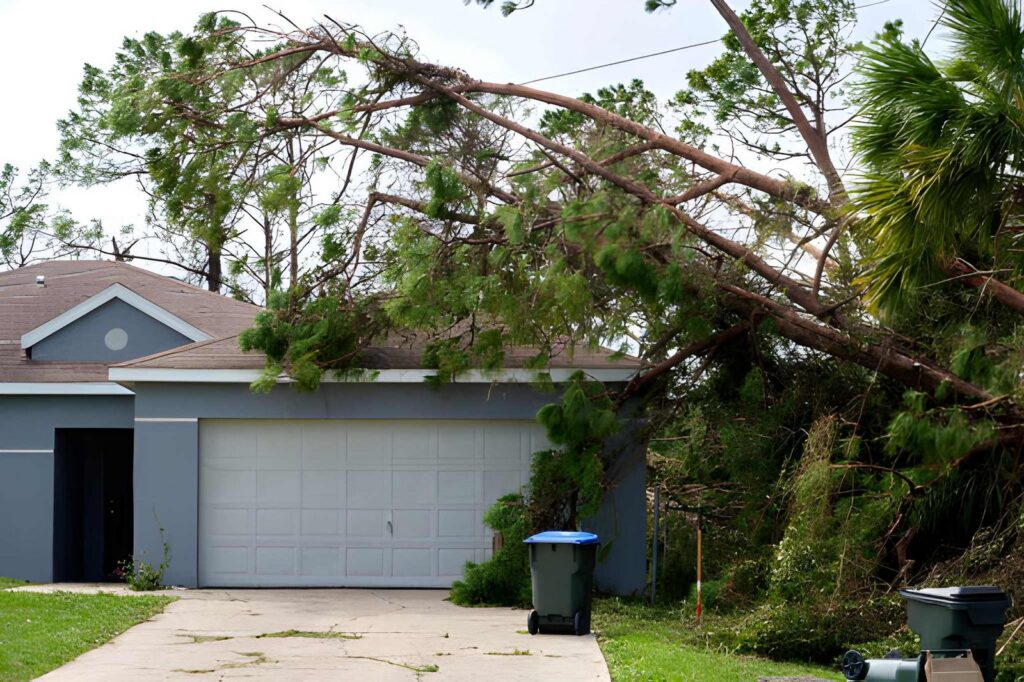
A storm doesn’t wait for a convenient time, and neither should your roof’s repair. We handle storm damage restoration from the first call to the final inspection, including the insurance side most homeowners dread dealing with alone.
storm damage restoration

Real Storm Restoration Experience in Metairie

Lone Wolf Roofing has handled storm damage across Jefferson Parish and Southeast Louisiana, from small wind-lifted shingle repairs to full replacements after a direct hit. We know the difference between damage that needs a targeted repair and damage that means the roof deck itself is compromised. We’ll tell you honestly which one you’re looking at.

What Actually Happens to a Roof During a Storm

Not every storm does the same kind of damage, and the difference matters more than most people realize. Wind doesn’t just blow shingles off. It gets underneath them and pulls up, the same uplift effect that peels a sticker off a car window at highway speed.

Louisiana’s hurricanes are ranked on the Saffir-Simpson scale, and the real turning point is Category 3, sustained winds of 111 mph or higher. Below that, most homes see surface-level damage: loosened or missing shingles, damaged siding, gutter problems. At Category 3 and above, even well-built homes can start losing the roof deck itself, not just the covering on top of it. That’s the real difference between a repair and a full tear-off. It’s also why we inspect the deck, not just the shingles, after any significant storm.

Different roofing materials also hold up differently. Standard composite shingles are generally rated somewhere in the 90 to 120 mph range, depending on the product. Concrete tile holds up to somewhat higher winds, and metal roofing highest of all. Material matters, but so does installation. A roof installed to the standard actually matters more than the number printed on the shingle wrapper.

How Storm Restoration Actually Works

  1. You call, we respond. We assess urgency first: is water actively getting in right now, or is this damage that can wait a day for a full inspection.
  2. Emergency tarping, if needed. Stopping active water intrusion comes before anything else. A proper tarp job protects the roof deck until permanent repairs can start.
  3. Full inspection and documentation. We check the whole roof, not just the obviously damaged area, and document everything the way an insurance adjuster needs to see it.
  4. Repair or replacement, decided honestly. Isolated damage usually means a repair. Widespread damage or a compromised deck usually means replacement. We’ll walk you through which situation you’re in and why.
  5. Insurance claim support. We stay on the claim with you, from the adjuster’s visit through final settlement. See our Louisiana Roof Insurance Claims page for the full deadline and process details.
  6. The option to rebuild stronger. If you’re already replacing the roof, it’s the most practical time to add FORTIFIED-standard protection. See our FORTIFIED Roofing page for what that actually involves.

Frequently Asked Questions

How fast can you get to my property after a storm?
It depends on the storm and how widespread the damage is across the area, but active water intrusion gets priority. Call us and we’ll give you a straight answer on timing.
Yes. The type of damage affects what we look for during the inspection, but the restoration process is similar either way.
Not always, it depends on whether the damage is isolated or the deck itself is compromised. We’ll inspect and give you an honest answer rather than assume the worst or the cheapest option by default.