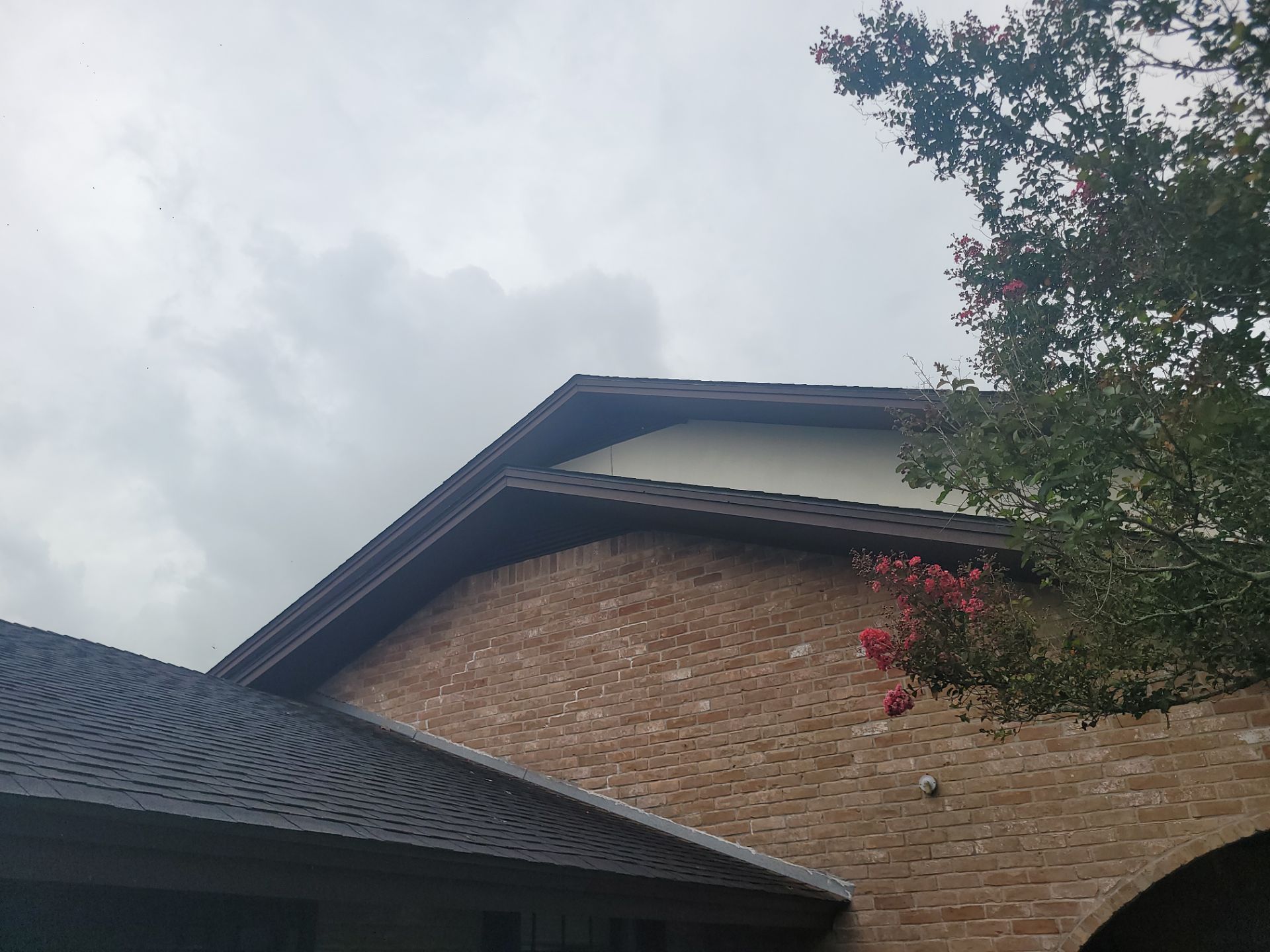
Vinyl siding manufacturers typically advertise lifespans of 20 to 40 years — numbers based on national averages and standard testing conditions. South Louisiana isn’t a standard testing condition. Sustained heat, near-constant humidity, heavy rain, and hurricane-season wind all put more stress on vinyl siding than it faces in most of the country, which means the real-world lifespan here often looks different from the number on the product label.
This guide covers what actually determines how long vinyl siding lasts in this climate, the factors that shorten or extend that lifespan, and how to know where your siding stands.
The Honest Answer: 20–30 Years, With Real Variation
In South Louisiana specifically, quality vinyl siding that’s properly installed and reasonably maintained typically performs well for 20 to 30 years — generally on the shorter end of the manufacturer’s advertised national range, and sometimes less for lower-grade products in high-exposure locations. That range isn’t a flaw in the material; it reflects the genuine difference between a mild, dry climate and a hot, humid, storm-exposed one.
What actually happens over that lifespan — and how close you land to 20 years versus 30 — depends heavily on the factors below.
Why South Louisiana’s Climate Is Harder on Vinyl Siding
1. Heat Expansion and Contraction
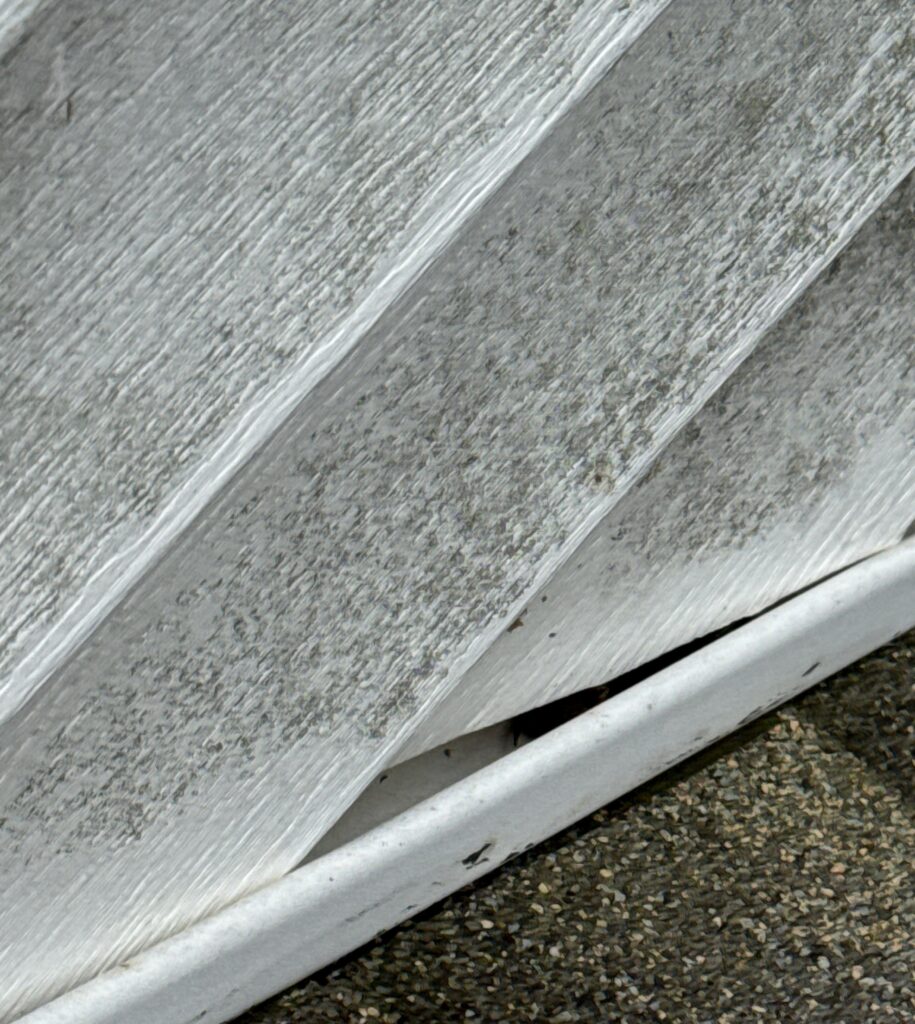
Vinyl siding expands and contracts with temperature changes by design — panels are installed with room to move. But South Louisiana’s combination of intense summer heat and significant day-to-night temperature swings puts that expansion and contraction cycle to work more aggressively and more frequently than milder climates. Over many years, this repeated stress can loosen fasteners and, on lower-quality products, contribute to warping.
2. Prolonged UV Exposure
South Louisiana’s sun exposure is more intense and more sustained across the year than in cooler regions. UV exposure gradually breaks down the pigments and polymers in vinyl siding, leading to fading and, eventually, increased brittleness — a process that happens faster on south- and west-facing walls than on shaded sides of the home.
3. Sustained Humidity
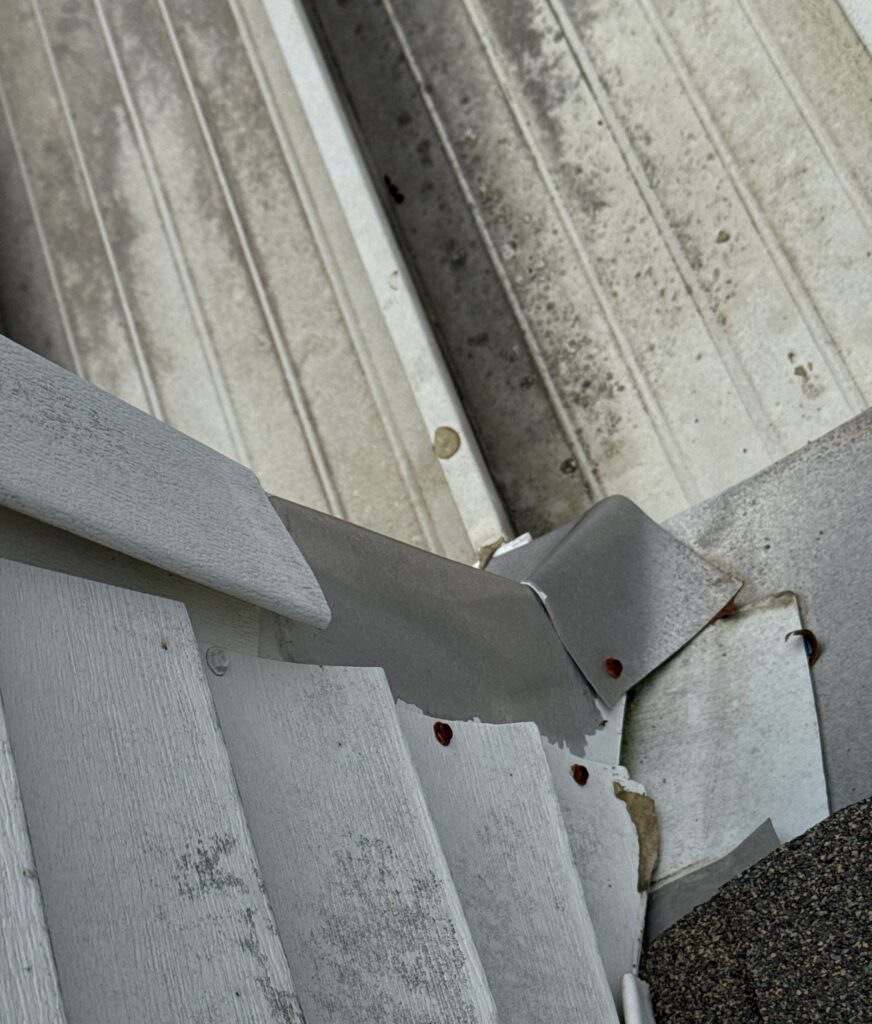
Unlike drier climates, South Louisiana rarely gives siding a chance to fully dry out between rain events. While vinyl itself doesn’t absorb moisture the way wood does, sustained humidity increases the risk of moisture finding its way behind panels through even small gaps — and once trapped, that moisture doesn’t evaporate quickly in this climate.
4. Hurricane-Season Wind and Debris
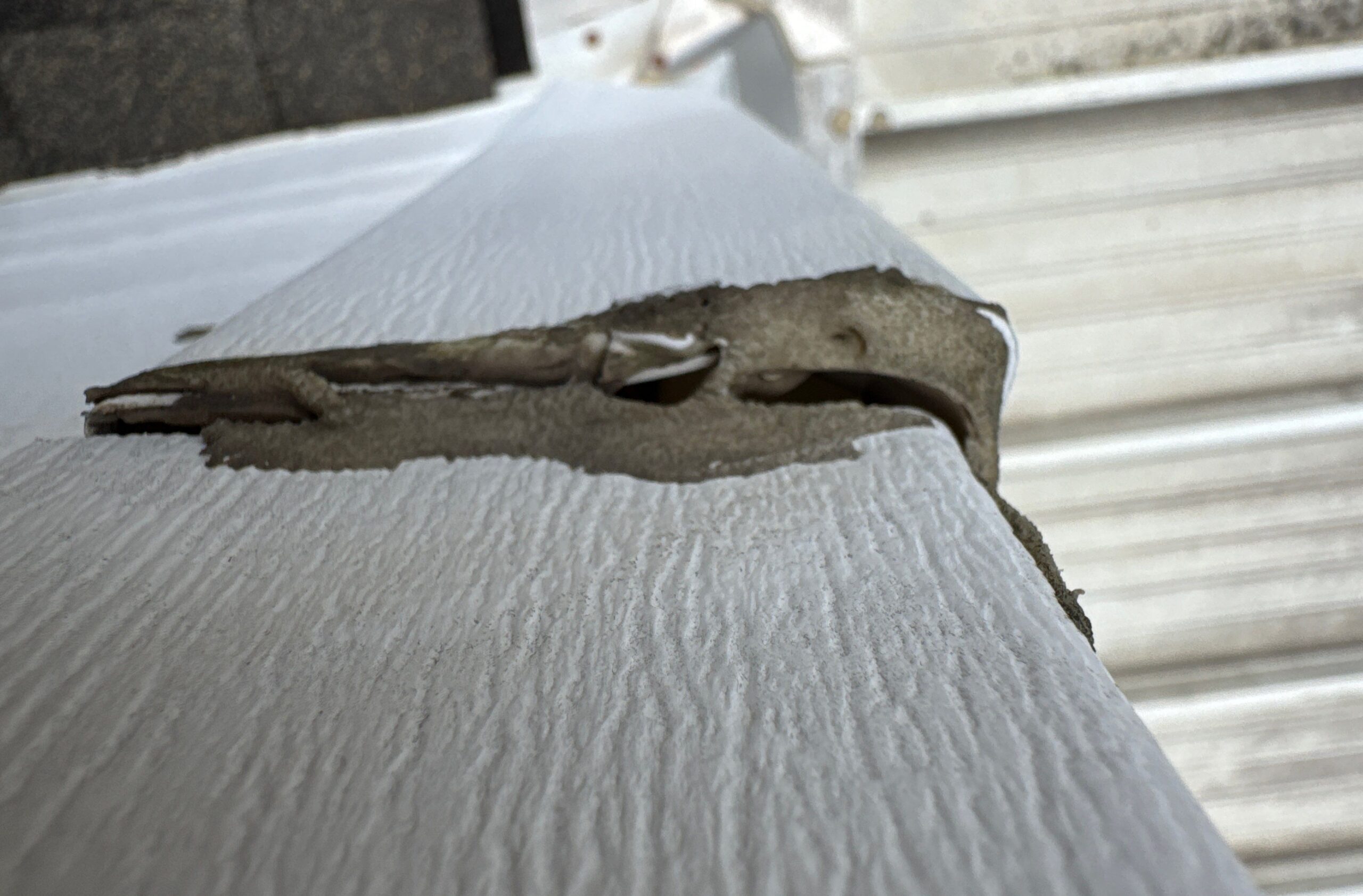
High wind events and flying debris are a more significant factor here than in most of the country. Impact damage — cracks, punctures, or panels torn loose — doesn’t just cause isolated damage; it also creates entry points for moisture that can accelerate deterioration in the surrounding area.
What Actually Extends Vinyl Siding’s Lifespan Here
Installation Quality
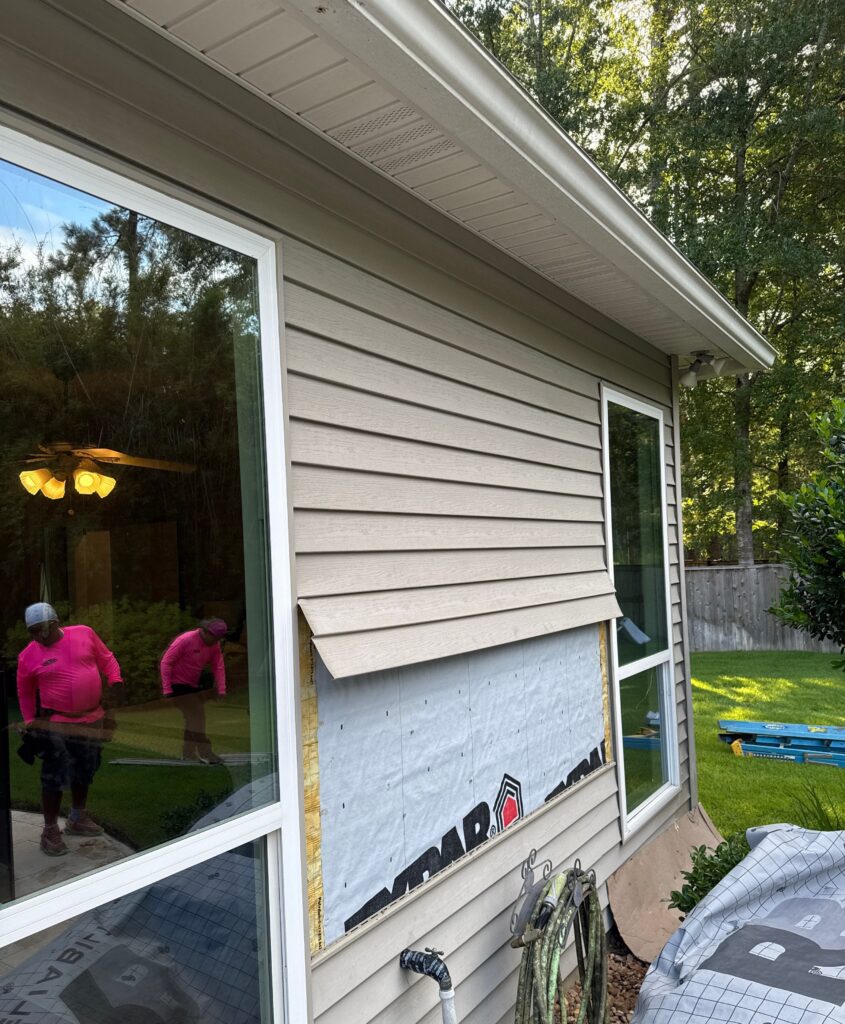
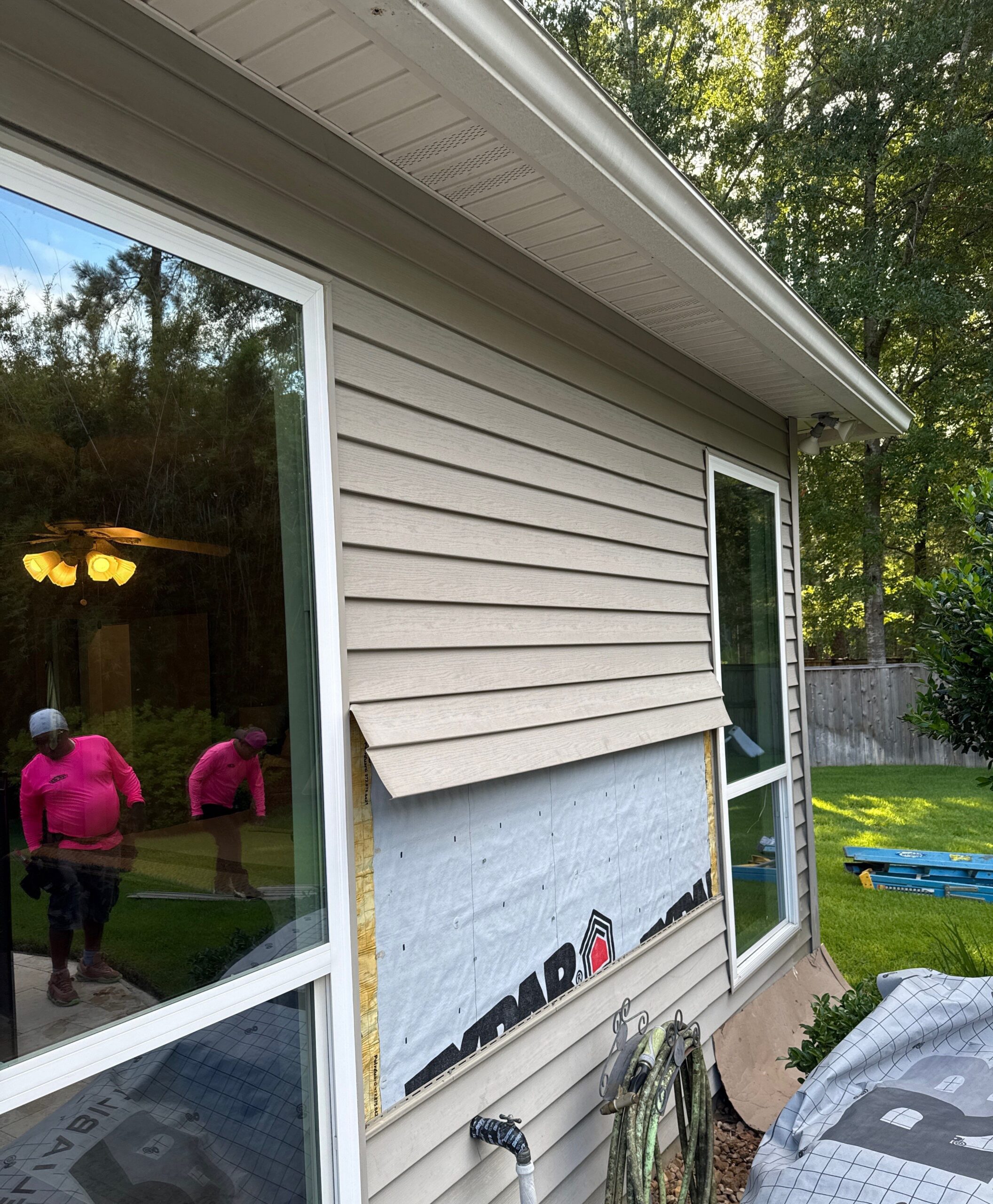
This may be the single biggest factor within a homeowner’s control. Vinyl siding installed too tightly, without the recommended room for thermal movement, tends to buckle and warp years before siding installed correctly by an experienced crew. Proper flashing and moisture barrier installation underneath also directly affects how well the system resists the humidity issues above.
Product Quality and Thickness
Vinyl siding isn’t a single uniform product — thickness and quality grade vary significantly between budget and premium lines. Thicker, higher-grade vinyl generally resists warping, fading, and impact damage better over time, which matters more in a demanding climate like this one than in milder regions.
Routine Maintenance
- Rinsing siding periodically to remove dirt, pollen, and organic buildup that can trap moisture against the surface
- Inspecting for and promptly repairing any cracks, punctures, or loose sections before they allow moisture behind the panel
- Keeping gutters clear so overflow doesn’t run down and sit against siding repeatedly
- Trimming vegetation back from siding to improve airflow and reduce prolonged shade-and-moisture conditions that encourage mildew
Color Choice
Darker vinyl siding absorbs more heat than lighter colors, which can accelerate both fading and, in extreme cases, warping — particularly on south- and west-facing walls with direct sun exposure. This is worth factoring into material selection during a South Louisiana installation, not just an aesthetic preference.
Signs Your Vinyl Siding Is Reaching the End of Its Lifespan
- Warping, buckling, or rippling that wasn’t there in earlier years
- Cracking that appears even without a specific impact event, often a sign the material has become brittle
- Fading that’s become uneven or significant compared to newer or shaded sections
- Panels that no longer sit flush or have visibly shifted from their original position
- Recurring moisture or mildew issues in the same areas despite cleaning
For a full breakdown of these and other warning signs across all siding materials, see our guide on signs your siding needs to be replaced.
How Vinyl Compares to Other Materials Here
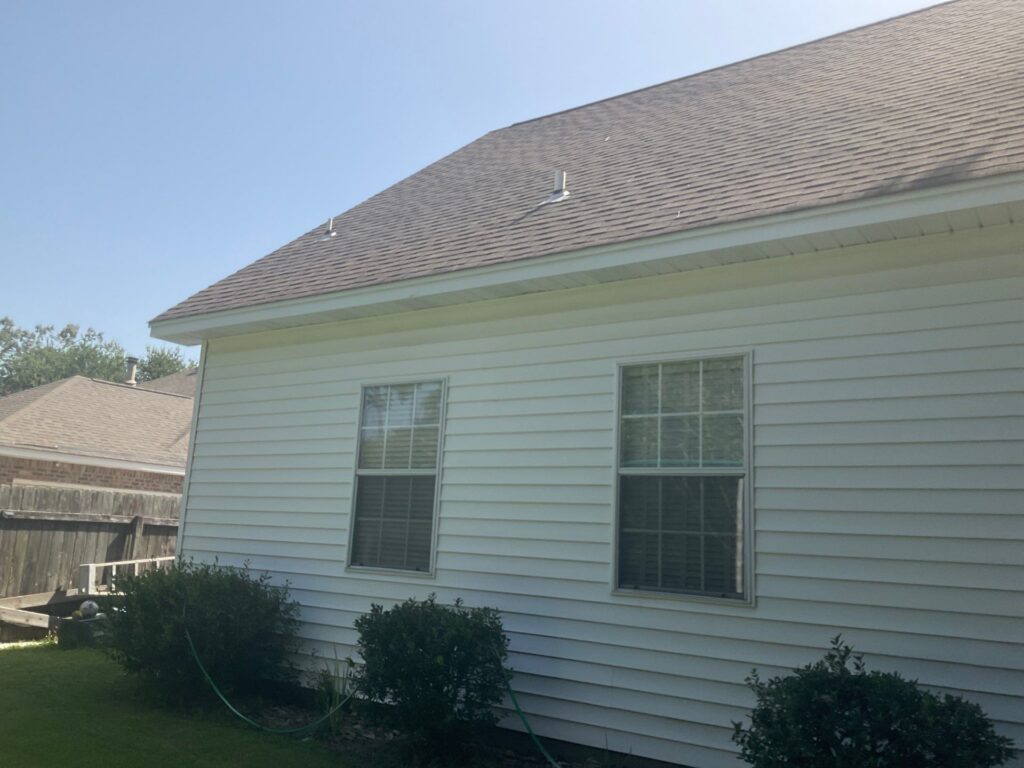
Vinyl’s 20–30 year realistic range in this climate sits below fiber cement’s 30–50 years, but generally performs better than untreated or inconsistently maintained wood siding, which can show significant issues within 10–20 years in South Louisiana’s humidity. Vinyl remains an economical, low-maintenance choice — the key is going in with realistic expectations calibrated to this climate rather than a national average that assumes milder conditions.
For the full pros-and-cons breakdown across all three materials, see our guide: Vinyl vs. Fiber Cement vs. Wood Siding: Which Is Right for South Louisiana?.
Frequently Asked Questions
Does vinyl siding really last as long as manufacturers claim in South Louisiana?
Often not quite as long as the top end of national advertised ranges, though quality vinyl properly installed can still perform well for 20–30 years here. The gap between advertised and realistic lifespan comes down to this climate’s heat, humidity, and storm exposure compared to the milder conditions many national estimates are based on.
Can vinyl siding be repaired instead of fully replaced when it starts aging?
Yes, in many cases. Isolated cracking, fading, or minor warping can often be addressed with spot repairs or panel replacement, especially if matching material is available. Widespread warping or brittleness across large sections usually signals it’s time to consider full replacement instead.
Does the color of vinyl siding affect how long it lasts here?
Yes. Darker colors absorb more heat, which can accelerate fading and, in some cases, contribute to warping — particularly on walls with significant direct sun exposure. Lighter colors generally hold up somewhat better against heat-related wear in this climate.
How can I tell if my vinyl siding was installed correctly?
Properly installed vinyl siding should have slight room to move — panels shouldn’t be nailed down too tightly. If you’re seeing widespread buckling or warping well before the expected lifespan, especially across multiple areas, it can be worth having a professional assess whether installation technique contributed to the issue.
Is it worth upgrading to a higher-grade vinyl product for better longevity?
For homeowners planning to stay long-term, thicker, higher-grade vinyl generally justifies its higher cost through better resistance to warping, fading, and impact damage — meaningful advantages in a climate as demanding as South Louisiana’s.
Get an Honest Assessment of Your Siding’s Condition
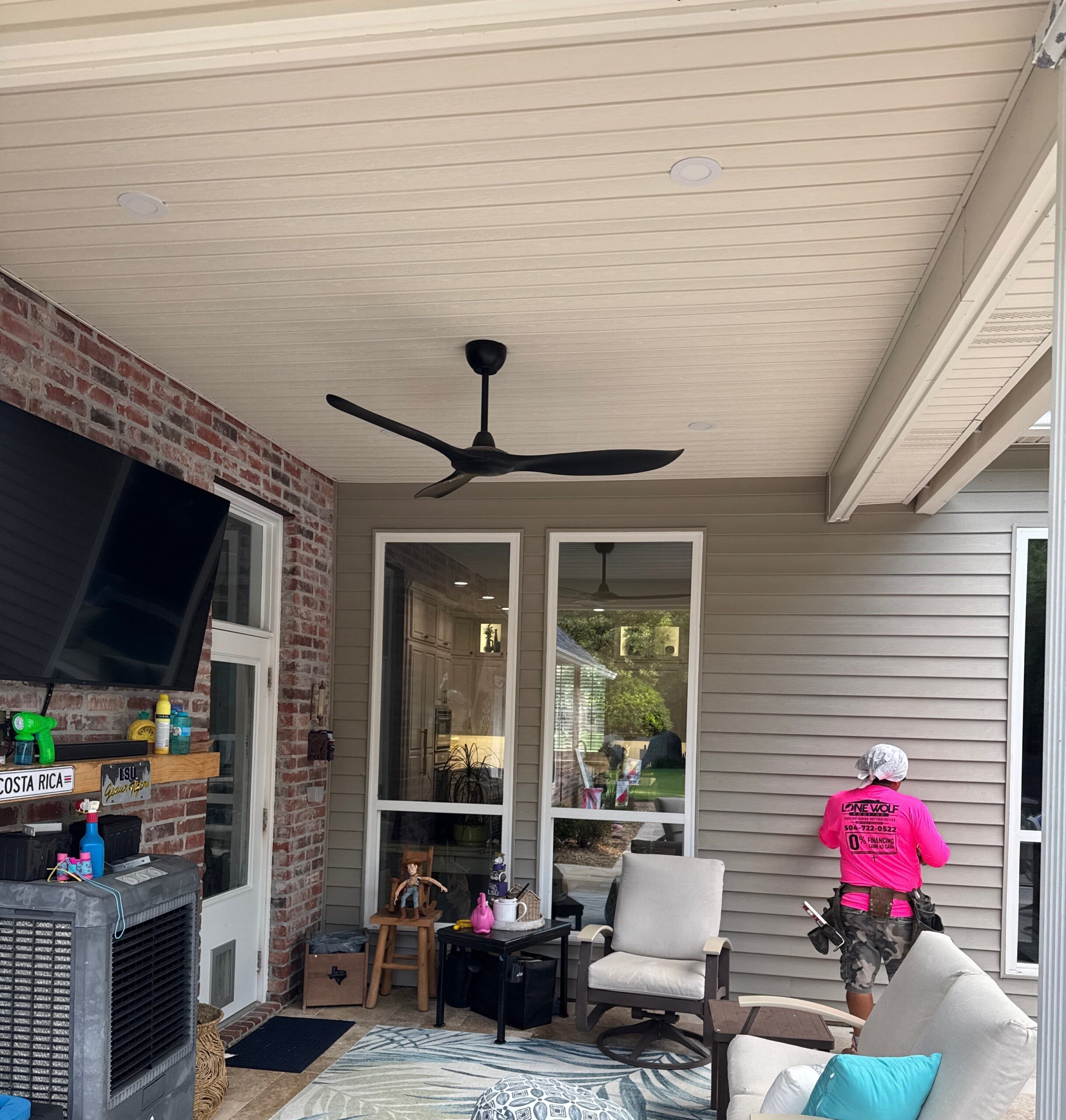
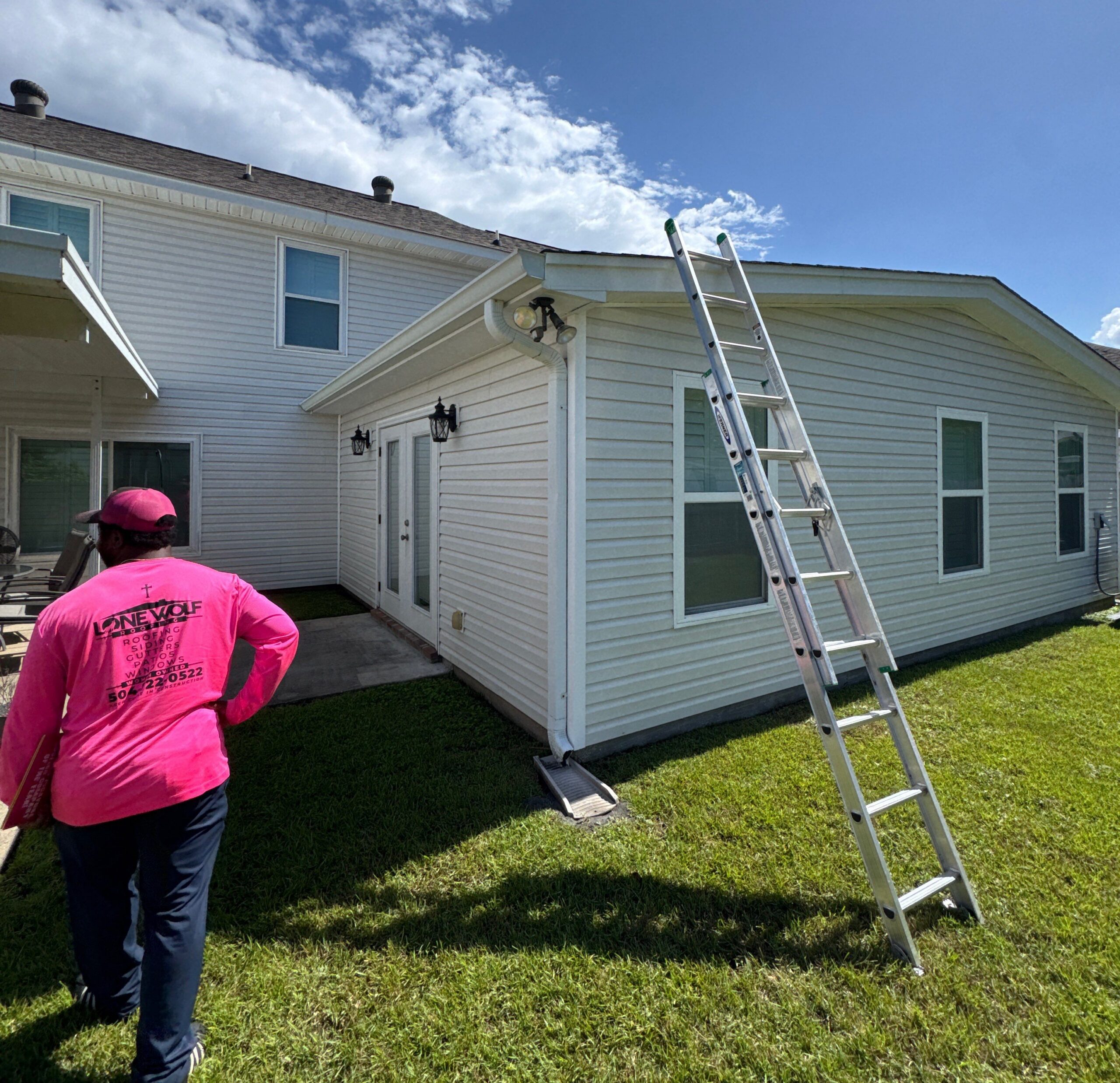
Whether your vinyl siding is nearing the upper end of its lifespan or you’re planning a new installation built to last in this climate, our team can give you a straightforward assessment and recommendation.
We install and repair vinyl siding throughout Metairie, New Orleans, and South Louisiana — see our Siding services page for more, or give us a call to schedule a free inspection.
Call us at (504) 230-6512 or request a free inspection online.