Siding is your home’s first line of defense against South Louisiana’s heat, humidity, heavy rain, and hurricane-season wind — which makes the material you choose one of the most consequential exterior decisions you’ll make. Vinyl, fiber cement, and wood are the three most common options, and each performs differently once it’s actually facing a Gulf Coast summer.
This guide breaks down how each material holds up, what it costs, how much upkeep it needs, and which one makes sense for your home.
What to Consider Before You Choose
Climate exposure — South Louisiana’s combination of heat, humidity, heavy rain, and hurricane-season wind is harder on exterior materials than most of the country — siding here needs to handle sustained moisture and occasional high-wind events, not just everyday weather.
Maintenance tolerance — Some materials are close to maintenance-free for decades; others need regular repainting and upkeep to perform as expected.
Budget — upfront vs. long-term — The least expensive material to install isn’t always the least expensive over 20–30 years of ownership.
Impact and wind resistance — Flying debris during storms and sustained hurricane-season winds put real stress on siding — some materials handle this meaningfully better than others.
Appearance and resale value — Siding covers the majority of your home’s visible exterior, so buyers and appraisers both notice condition and material quality.
Vinyl Siding
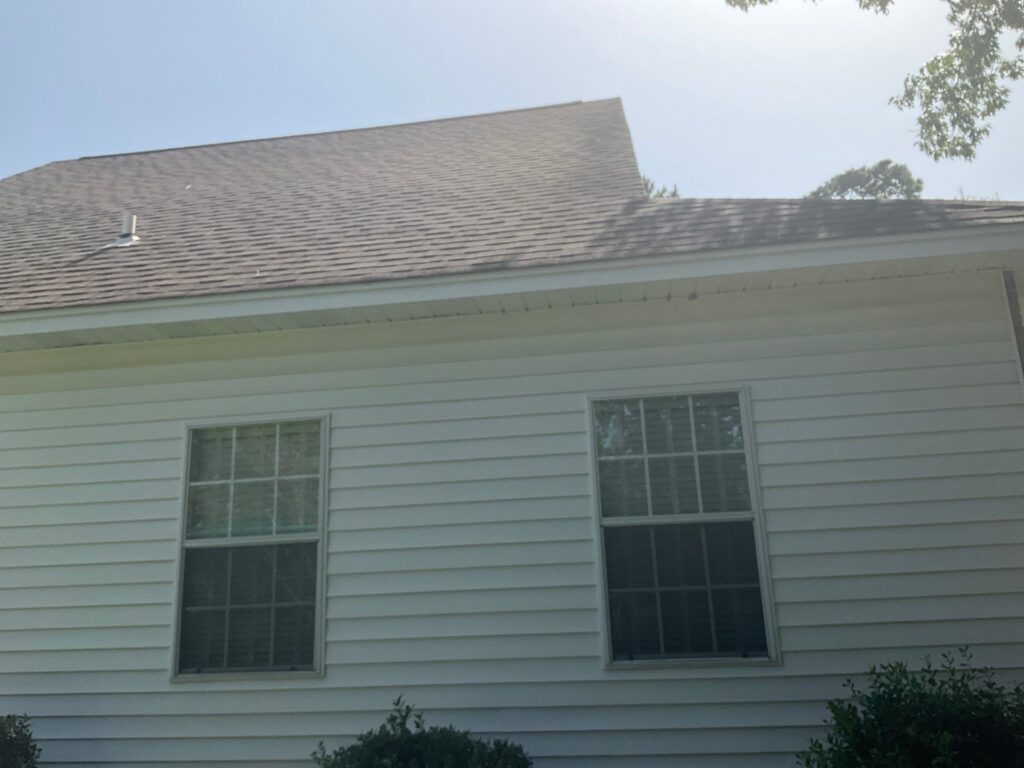
Vinyl is the most widely installed siding material in the country, and for good reason — it offers a strong balance of affordability and low maintenance.
Pros
- Lowest upfront material and installation cost of the three
- Resists moisture — won’t rot
- Never needs painting
- Wide range of colors, textures, and profiles available
- Relatively fast to install
Cons
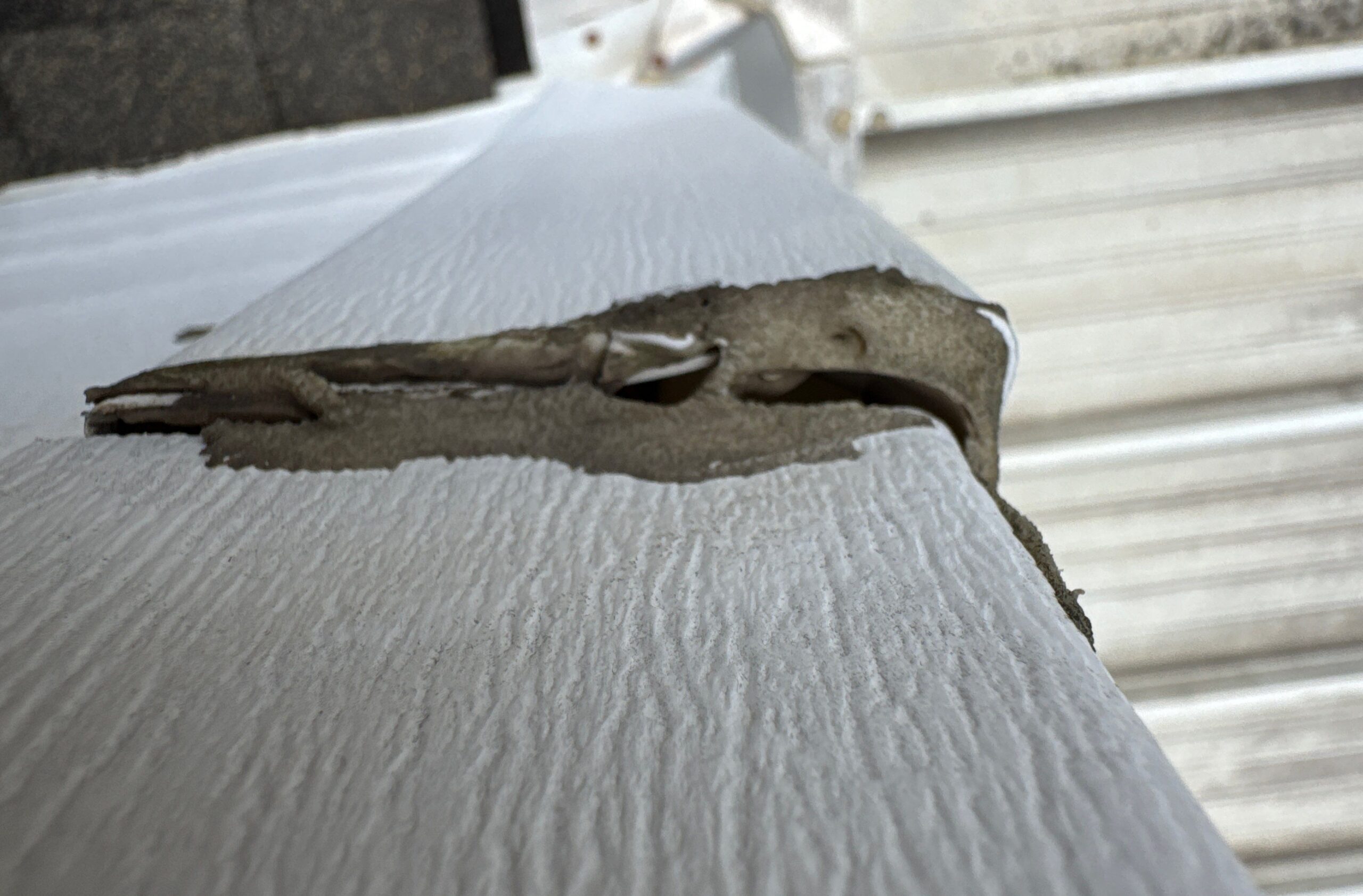
- Can crack or puncture on impact — from hail, flying debris, or accidental contact
- Standard vinyl has a lower wind rating than fiber cement; impact-resistant and higher-wind-rated products exist but cost more
- Can fade over time with prolonged UV exposure
- Lower-grade vinyl can warp in extreme heat
- Limited ability to repair invisibly — damaged sections are usually replaced rather than patched
Best for: budget-conscious projects, rental or investment properties, and homeowners prioritizing low maintenance and fast installation.
Fiber Cement Siding
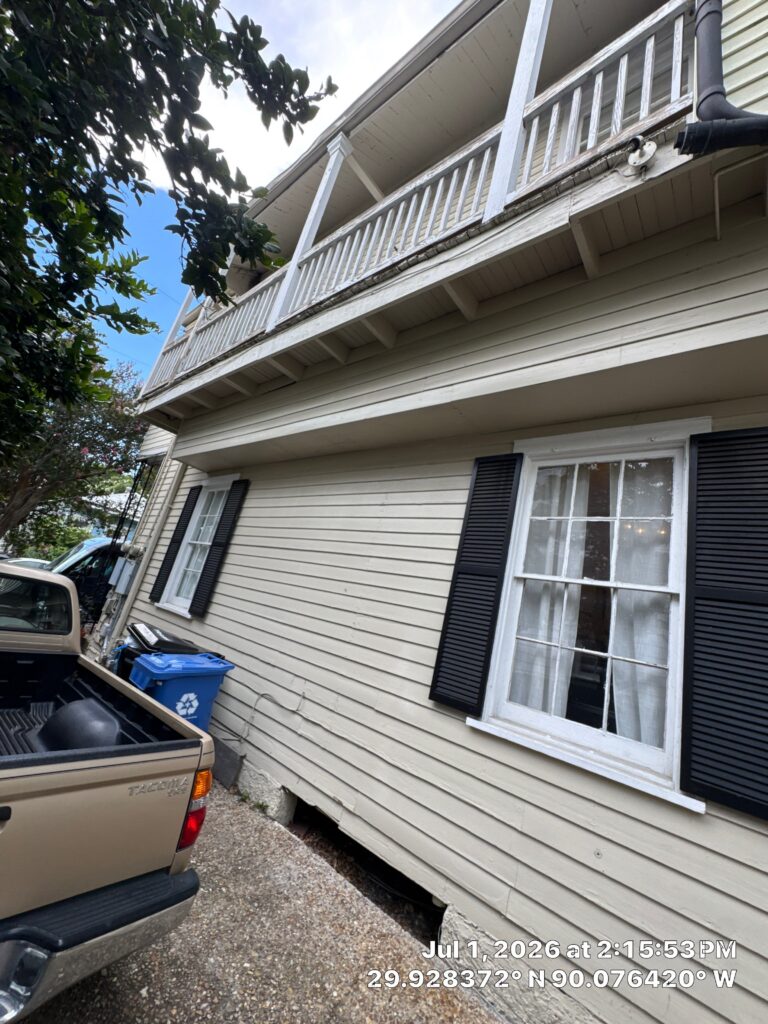
Fiber cement is an engineered material made from cement, sand, and cellulose fibers, built specifically to outperform both vinyl and wood in demanding climates. James Hardie is the best-known brand in this category, and it’s become the material of choice for homeowners who want long-term durability without wood’s maintenance burden.
Pros
- Significantly more resistant to moisture, rot, and pests than wood
- Won’t warp or crack from heat the way vinyl can
- Fire-resistant — a meaningful advantage over both wood and vinyl
- Higher wind and impact resistance than standard vinyl, an important factor during hurricane season
- Holds paint far longer than wood, reducing repainting frequency
- Longer realistic lifespan than vinyl in high-heat, high-humidity climates
Cons
- Higher upfront material and installation cost than vinyl
- Heavier than vinyl, requiring more labor-intensive installation
- Still requires periodic repainting, though far less often than wood
- Fewer contractors are experienced installing it correctly compared to vinyl
Best for: homeowners planning to stay long-term who want durability matched to South Louisiana’s climate and storm exposure, and anyone who wants wood’s classic look without wood’s maintenance schedule.
We also install James Hardie products for soffit and fascia, which makes it easy to match materials across your entire roofline and exterior for a consistent, coordinated look.
Wood Siding
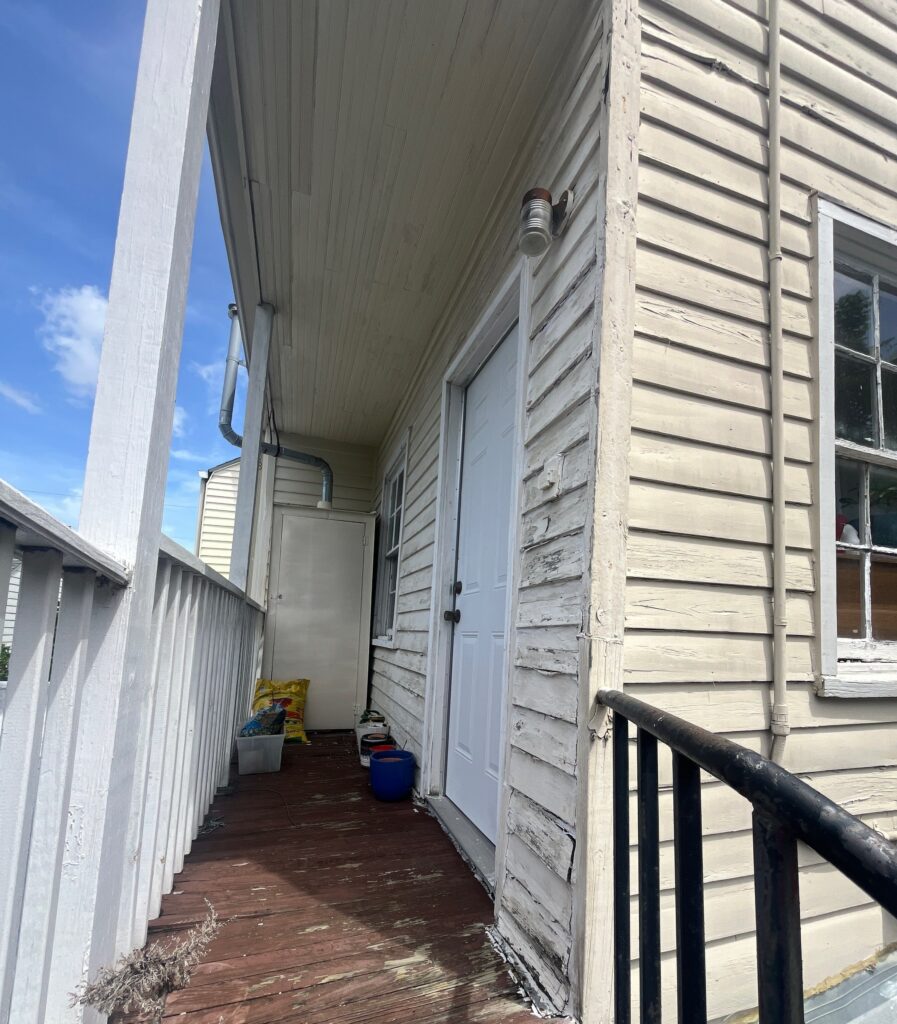
Wood offers a classic, natural appearance that’s genuinely difficult to replicate exactly with synthetic materials. It remains common on historic and traditionally styled South Louisiana homes, but it demands the most consistent maintenance of the three by a wide margin.
Pros
- Authentic, classic appearance — especially valuable on historic or architecturally traditional homes
- Can be painted or stained any color, and repainted as styles change
- Individual boards can sometimes be spot-repaired rather than replaced wholesale
- Widely understood material for most contractors to install and repair
Cons
- Most vulnerable of the three materials to South Louisiana’s heat and humidity
- Prone to rot without consistent maintenance and repainting
- Attracts pests — termites and carpenter ants can exploit softened or damaged wood
- Requires repainting or restaining every few years to maintain protection
- Highest long-term maintenance cost of the three, even when material cost is moderate
Best for: historic homes where matching original materials matters, and homeowners committed to a regular maintenance schedule in exchange for wood’s traditional appearance.
Side-by-Side Comparison
| Vinyl | Fiber Cement | Wood | |
| Upfront Cost | $ | $$$ | $$ |
| Maintenance | Minimal | Low | High |
| Moisture Resistance | Good | Excellent | Poor |
| Wind/Impact Resistance | Fair | Excellent | Fair |
| Fire Resistance | Poor | Excellent | Poor |
| Pest Resistance | Good | Excellent | Poor |
| Realistic Lifespan | 20–30 yrs | 30–50 yrs | 10–20 yrs* |
| Repaintable | No | Yes (rarely needed) | Yes (required) |
*Without consistent maintenance and repainting in a humid climate. Well-maintained wood siding can last significantly longer.
Our Recommendation for South Louisiana Homes
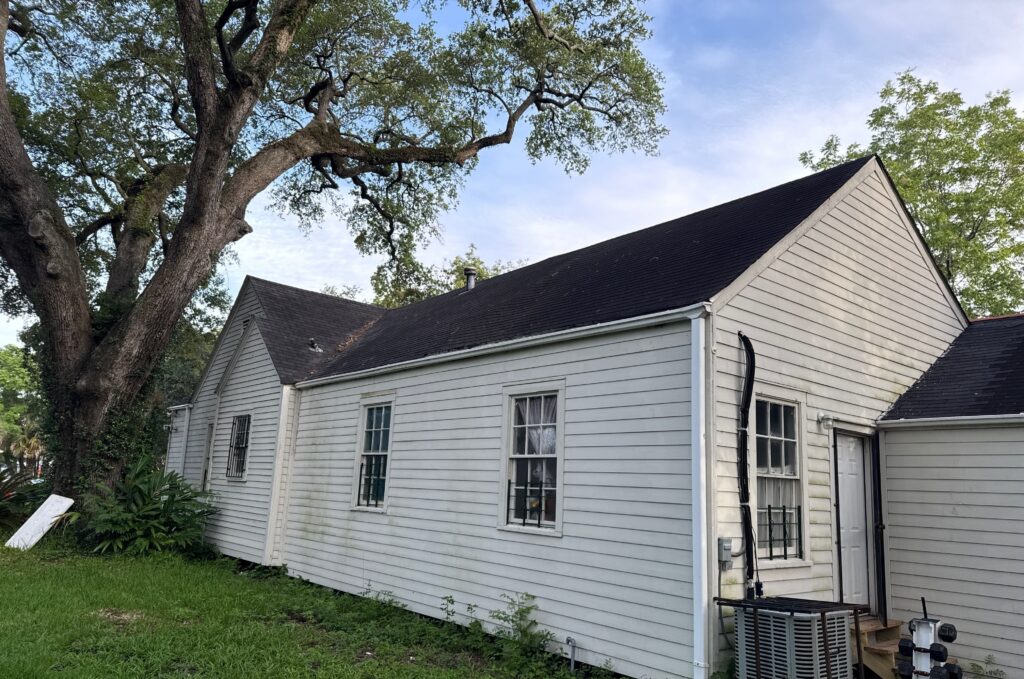
For most homeowners in Metairie, New Orleans, and South Louisiana, fiber cement offers the strongest overall value — its combination of moisture resistance, fire resistance, and higher wind rating directly addresses the conditions that cause the most siding failures and storm damage in this region. Vinyl remains a smart, budget-friendly choice, particularly for rental properties or homeowners prioritizing lower upfront cost over maximum storm resistance. Wood makes the most sense for historic homes where matching original materials is a priority, provided the homeowner is genuinely prepared for the maintenance it requires.
Installation Considerations
- Proper moisture barriers and house wrap matter as much as the siding material itself — even premium siding fails early if installed over inadequate weather protection
- Bundling siding with roofing, soffit, or fascia work can reduce total labor cost since staging and access needs overlap
- Existing damage behind old siding (rot, mold, compromised sheathing) should be identified and addressed before new siding goes up, not covered over
- Wind rating matters more than most homeowners realize in hurricane-prone regions — ask your contractor what rating your chosen material and installation method achieve
Frequently Asked Questions
What’s the best siding material for South Louisiana homes?
It depends on your budget and maintenance preferences. Vinyl siding is affordable and low-maintenance, fiber cement offers superior durability against moisture, pests, fire, and wind, and wood siding gives a classic look but requires more upkeep. A professional assessment of your home and priorities is the best way to weigh the tradeoffs.
How do I know if I need siding repair or full replacement?
Isolated damage — a few cracked or warped panels — can often be repaired. Widespread warping, fading, moisture damage, or siding nearing the end of its expected lifespan usually calls for full replacement. A professional inspection can give you an honest recommendation either way.
Can damaged siding lead to bigger problems?
Yes. Siding is your home’s first line of defense against moisture. Cracked, warped, or missing siding can let water behind the panels, leading to rot, mold, and structural damage to the wall sheathing underneath — damage that’s far more expensive to fix than the siding itself.
Should I replace siding at the same time as my roof or fascia?
Not required, but it’s common and can be more cost-effective. Since roofing, fascia, and siding projects all involve similar staging and labor, many homeowners bundle them into one project rather than scheduling separate visits.
Does new siding improve energy efficiency?
Yes, in many cases. Modern siding systems, especially when installed with proper insulation and moisture barriers, can improve your home’s thermal performance and help reduce energy costs — particularly important during South Louisiana’s hot, humid summers.
Get Expert Guidance on the Right Siding for Your Home
Every home is different, and the right siding material depends on your budget, your home’s style, your storm exposure, and how long you’re planning to stay. Our team can walk you through the options in person and recommend what actually makes sense for your exterior — not just what’s fastest to install.
We install vinyl, fiber cement, and wood siding throughout Metairie, New Orleans, and South Louisiana — see our Siding services page for more, or give us a call to schedule a free estimate.
Call us at (504) 230-6512 or request a free inspection online.