Siding damage doesn’t always announce itself. Sometimes it’s obvious — a hole, a crack, a section hanging loose. But often it starts quietly: a slightly higher energy bill, a faint musty smell, paint that won’t hold anymore. In South Louisiana’s heat, humidity, and storm exposure, catching these signs early is the difference between a straightforward repair and water damage reaching the wall structure underneath.
This guide walks through the warning signs at every stage, what’s actually happening behind the siding when you see them, and how to know whether you’re looking at a repair or a full replacement.
Why Siding Condition Matters Beyond Appearance
Siding is your home’s first line of defense against moisture. It’s easy to think of damaged siding as a cosmetic issue, but cracked, warped, or missing panels let water behind the wall system — leading to rot, mold, and structural damage to the sheathing underneath that’s far more expensive to fix than the siding itself. Most of the signs below are worth addressing specifically because of what they indicate is happening out of sight, not just how they look from the curb.
8 Signs Your Siding Needs to Be Replaced
1. Cracks, Holes, or Punctures
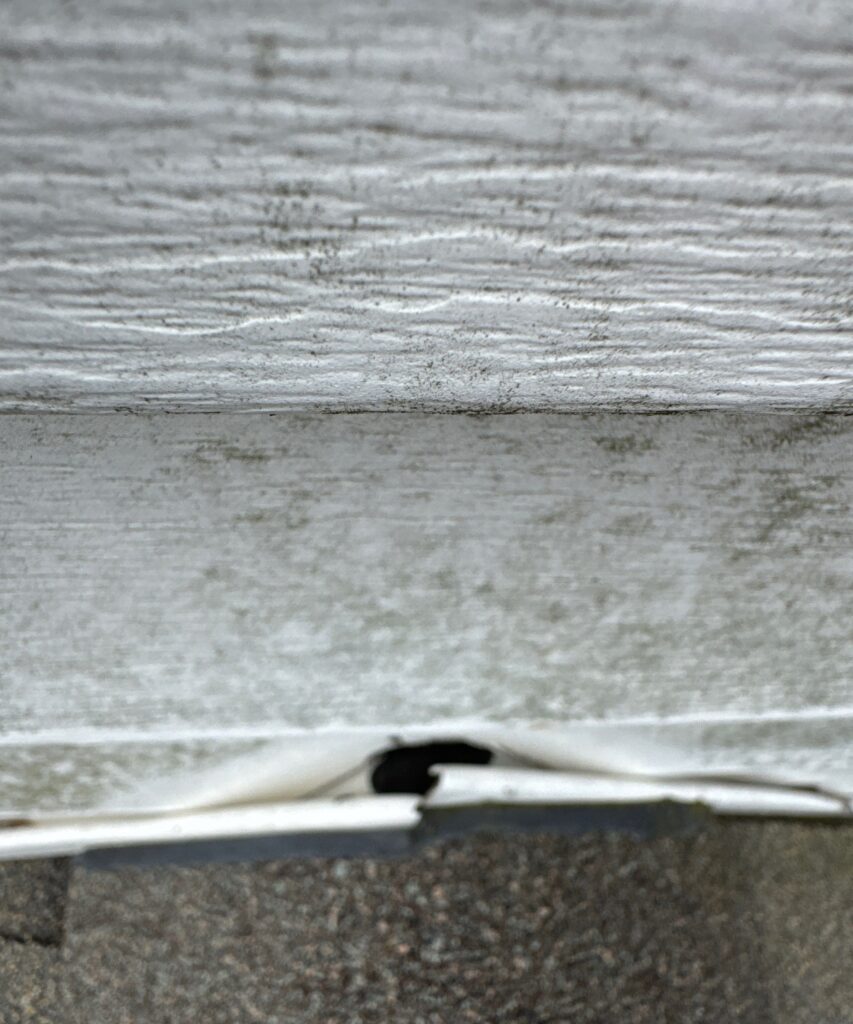
Physical damage from storms, flying debris, or accidental impact compromises siding’s ability to keep water out immediately — even a small puncture is a direct entry point for moisture behind the panel.
2. Warping, Buckling, or Loose Panels
Siding that appears to be bulging, rippling, or pulling away from the wall is often a sign of heat damage, moisture trapped behind the panel, or failed fasteners. Once a section is loose, wind-driven rain has an easier path behind it.
3. Rot (Especially on Wood Siding)
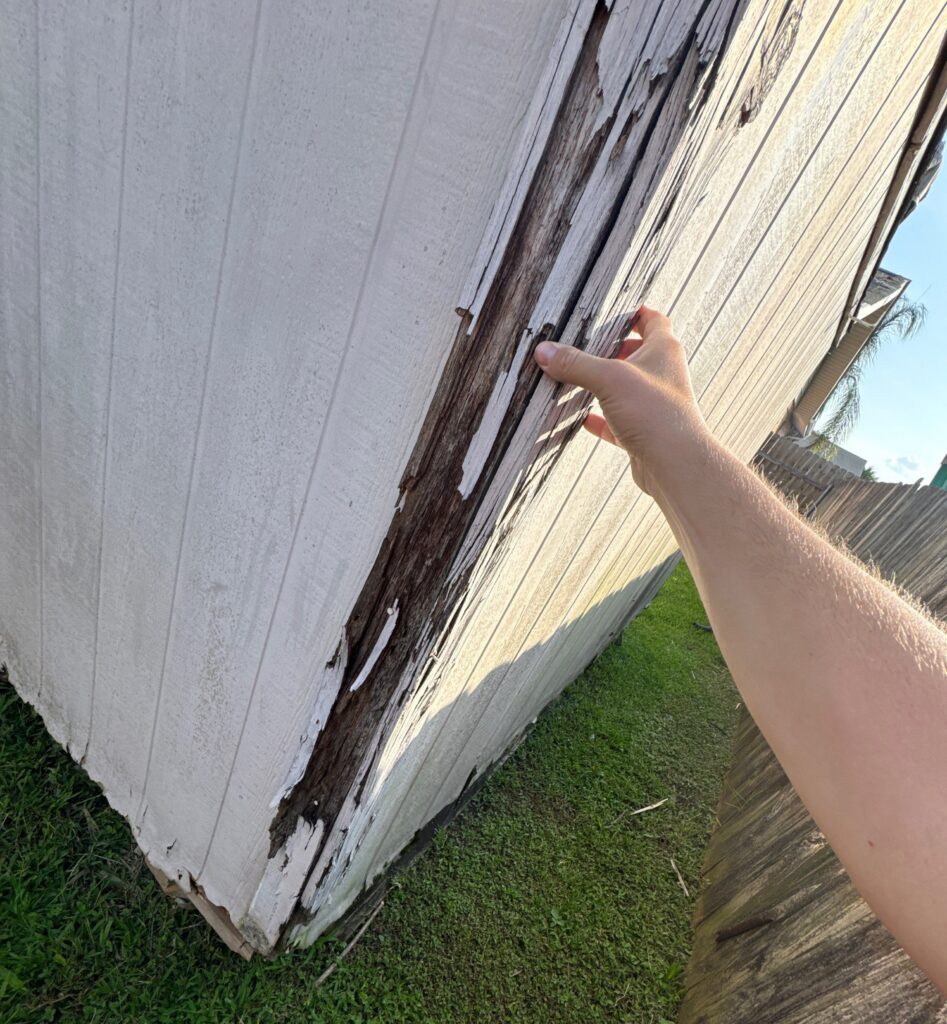
Soft, spongy, or visibly decayed wood siding means moisture has already penetrated and is breaking the material down from the inside. Rot rarely stays contained to a small area — it spreads along the grain and tends to be more extensive than what’s visible from the surface.
4. Peeling, Blistering, or Bubbling Paint
This is often one of the earliest visible signs of trouble. Paint failure — especially bubbling or blistering rather than simple fading — usually means moisture is trapped underneath, working against the material from behind the surface.
5. Mold, Mildew, or Persistent Discoloration
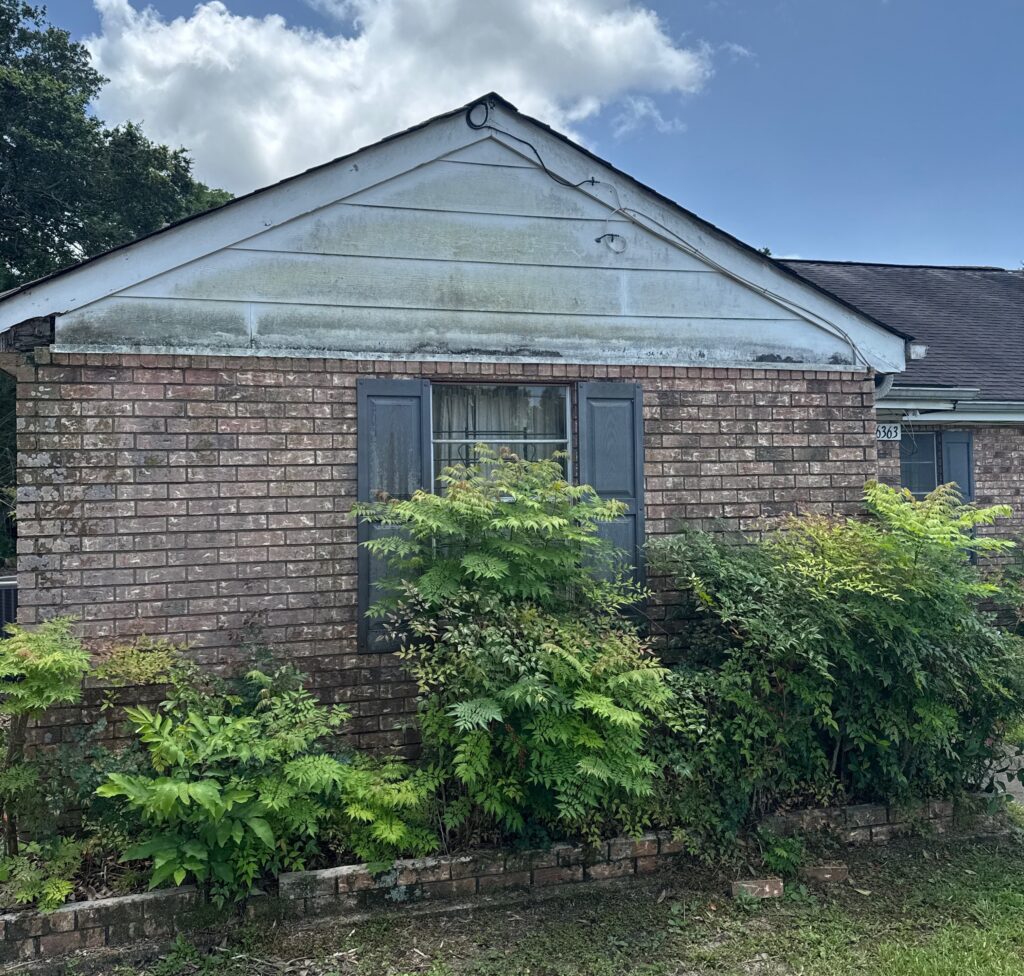
Organic growth and staining on siding — especially in shaded or low-airflow areas — indicates sustained moisture exposure. Surface cleaning can sometimes address early mildew, but recurring growth in the same spot usually points to an underlying moisture problem that cleaning alone won’t fix.
6. Gaps, Separation, or Siding Pulling Away from the Foundation
Visible gaps where siding meets the foundation, corners, or trim are entry points for water, and can also signal shifting or settling that’s affecting the whole wall system, not just the siding itself.
7. Moisture Damage Behind the Panels
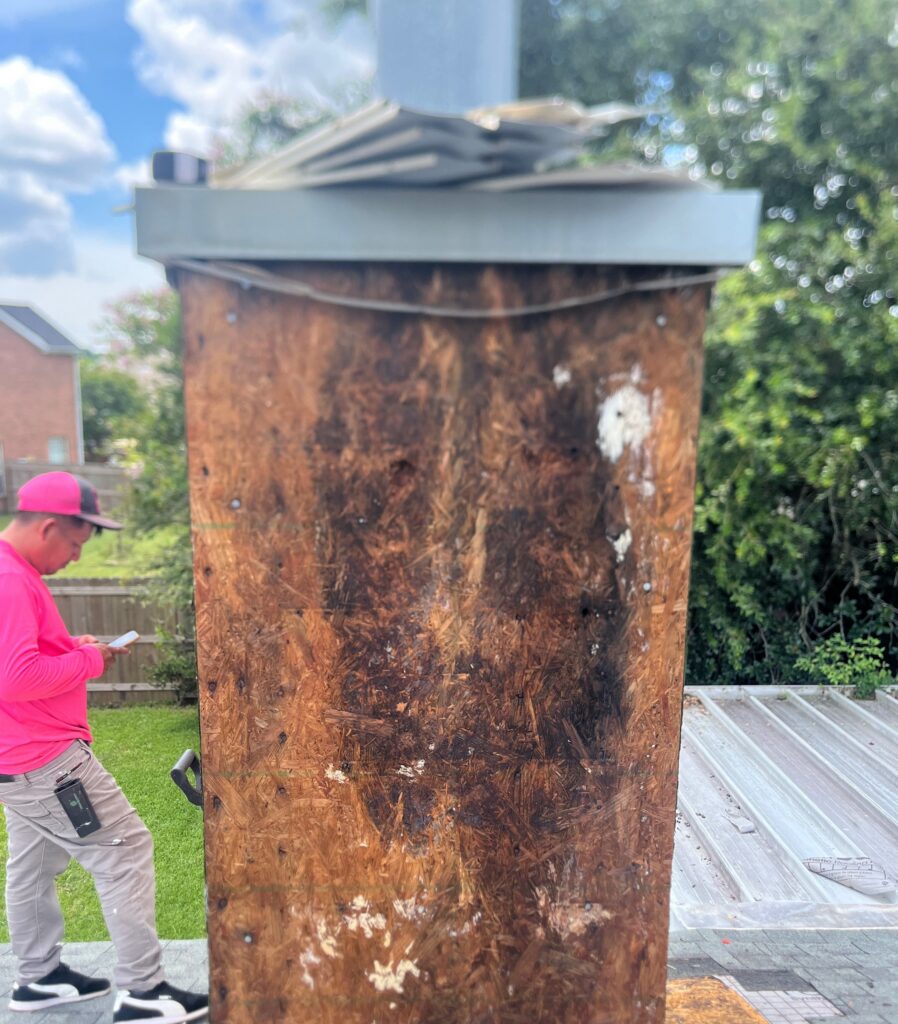
Sometimes the siding itself looks fine, but moisture has already reached the sheathing behind it — discovered only when panels are removed for repair or inspection. This is one of the reasons a professional assessment matters even when siding looks okay from the outside; damage can be more advanced than it appears.
8. Rising Energy Bills
If your cooling costs have crept up without an obvious explanation, aging or damaged siding can be a contributing factor — gaps and failed insulation behind compromised panels let conditioned air escape and outside heat in, forcing your HVAC system to work harder, especially through South Louisiana’s long summers.
Repair or Replace? How to Tell
Isolated damage — a few cracked or warped panels in an otherwise sound siding system — can often be repaired without replacing the whole exterior. Widespread warping, fading, moisture damage, or siding nearing the end of its expected lifespan usually calls for full replacement.
Repair is usually enough when: damage is limited to one or two isolated areas, the rest of the siding is structurally sound, and the material is still reasonably close to its expected lifespan.
Replacement is usually the better call when: damage or discoloration is spread across multiple areas, moisture has reached the sheathing in more than one spot, or the siding is old enough that matching materials for a repair isn’t realistic.
A professional inspection is the most reliable way to know which category your situation falls into — what looks like isolated damage from the ground sometimes turns out to be more extensive once a contractor gets a closer look.
How Age Factors In
Even siding with no visible damage eventually reaches the end of its realistic lifespan. Vinyl siding typically performs well for 20–30 years, fiber cement can last 30–50 years, and wood siding, without consistent maintenance, often needs attention within 10–20 years in a humid climate like South Louisiana’s. If your siding is approaching or past these ranges, it’s worth a proactive inspection even without obvious damage — small issues are far easier to catch before a material has fully reached the end of its service life.
What Happens If You Wait
- Isolated damage spreads to additional panels and sections
- Moisture reaches the wall sheathing, leading to rot and potential structural repair costs beyond the siding itself
- Mold and mildew can work their way toward interior wall cavities in advanced cases
- Energy costs continue climbing as compromised insulation loses effectiveness
- What could have been a targeted repair becomes a full-section or whole-house replacement
The good news: because most of these signs are visible well before serious structural damage occurs, catching them early usually keeps the fix on the inexpensive end of that range.
Frequently Asked Questions
Can I replace just a few damaged siding panels instead of the whole wall?
In many cases, yes — especially with vinyl, where matching panels can sometimes be sourced even if the exact original color has faded slightly elsewhere on the house. Wood and fiber cement repairs are also possible for isolated damage, though exact color matching can be more visible with painted or stained materials.
Is it normal for siding to fade over time?
Some fading is normal, especially with prolonged sun exposure. However, uneven fading, chalking, or fading paired with other signs like warping or gaps usually indicates the material is nearing the end of its effective lifespan rather than just cosmetic aging.
How urgent is it to fix a small hole or crack in siding?
More urgent than it looks. Even a small puncture is a direct entry point for water behind the panel, and South Louisiana’s rain and humidity mean that gap doesn’t stay dry for long. Addressing small damage quickly is one of the most cost-effective things a homeowner can do.
Can storm damage to siding be covered by insurance?
Often, yes — siding damage caused directly by a specific storm event like wind-driven debris or hail may be covered under homeowners insurance, unlike gradual wear from age. It’s worth documenting storm-related damage and discussing it with your adjuster.
Should I get a professional inspection even if I don’t see obvious damage?
If your siding is approaching the upper end of its expected lifespan, or you’ve had a significant storm recently, yes. Moisture damage behind panels isn’t always visible from the outside, and a professional inspection can catch problems before they become expensive.
Get a Professional Assessment of Your Siding
If you’re noticing any of the signs above, or it’s simply been a while since your siding was inspected, our team can take a look and give you an honest recommendation — repair or replacement — before small issues become bigger ones.
We repair and replace vinyl, fiber cement, and wood siding throughout Metairie, New Orleans, and South Louisiana — see our Siding services page for more, or give us a call to schedule a free inspection. Deciding on a replacement material? Start with our
Vinyl vs. Fiber Cement vs. Wood Siding guide, or see real numbers in
How Much Does Siding Installation Cost in Metairie?.
Call us at (504) 230-6512 or request a free inspection online.