It’s a fair question when you’re facing a siding project: can the new material just go over what’s already there, skipping the cost and mess of tearing the old siding off? Sometimes, yes. But it’s not a simple yes for every situation — what’s underneath your current siding, and its condition, matters more than most homeowners expect.
This guide covers when installing over old siding is a reasonable option, when it isn’t, and what happens if it’s done without checking what’s underneath first.
The Short Answer
Yes, installing new siding over existing siding is sometimes possible and can reduce both labor cost and project timeline. But it’s only the right call when the existing siding and the structure underneath are in genuinely sound condition — installing over damaged, rotted, or moisture-compromised material doesn’t fix the underlying problem, it just hides it behind a new layer, where it continues to cause damage out of sight.
When Installing Over Old Siding Makes Sense
The existing siding is structurally sound — no rot, no significant warping, and no signs of moisture damage underneath.
The wall surface is reasonably flat and even — large gaps, damage, or unevenness in the old siding will telegraph through the new layer.
You’re switching between compatible materials — vinyl over vinyl or certain lap sidings is more straightforward than switching to a material like fiber cement, which typically requires direct attachment to sheathing for proper installation and warranty compliance.
Local code allows it — some jurisdictions limit how many layers of siding a structure can carry, both for weight and moisture-management reasons — this needs to be confirmed before assuming it’s an option.
When You Shouldn’t Install Over Existing Siding
Rot or Moisture Damage Is Present
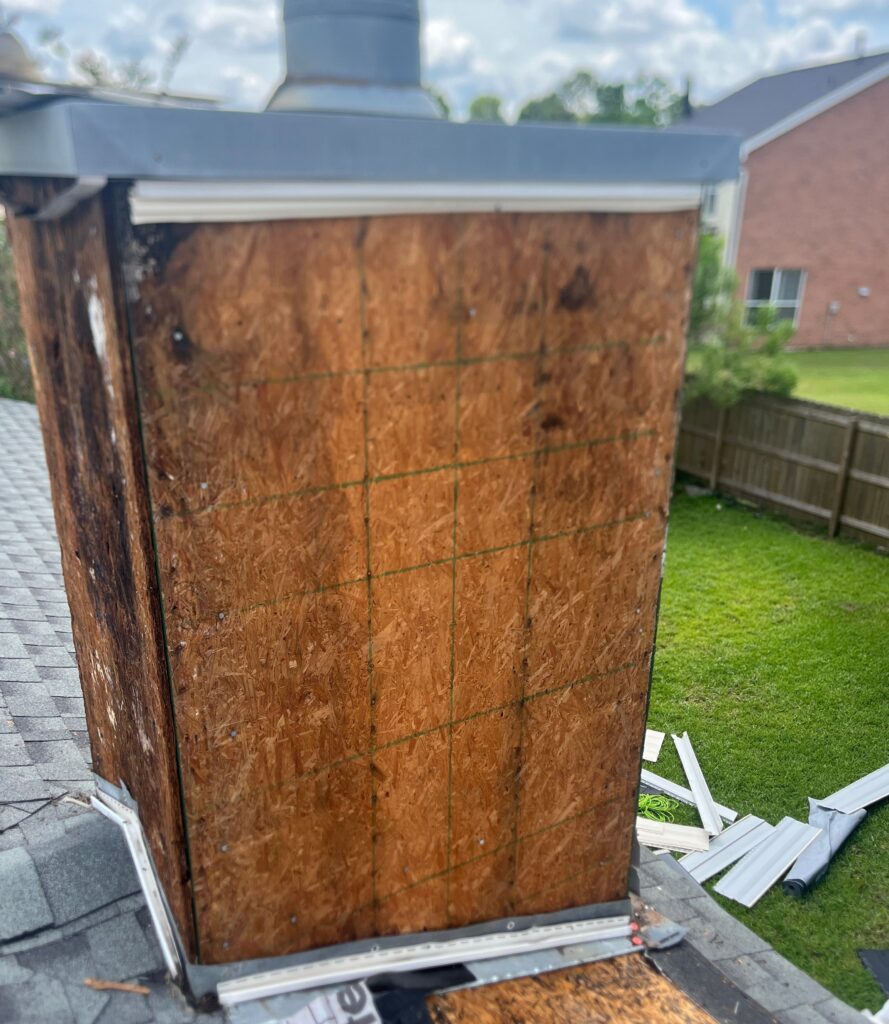
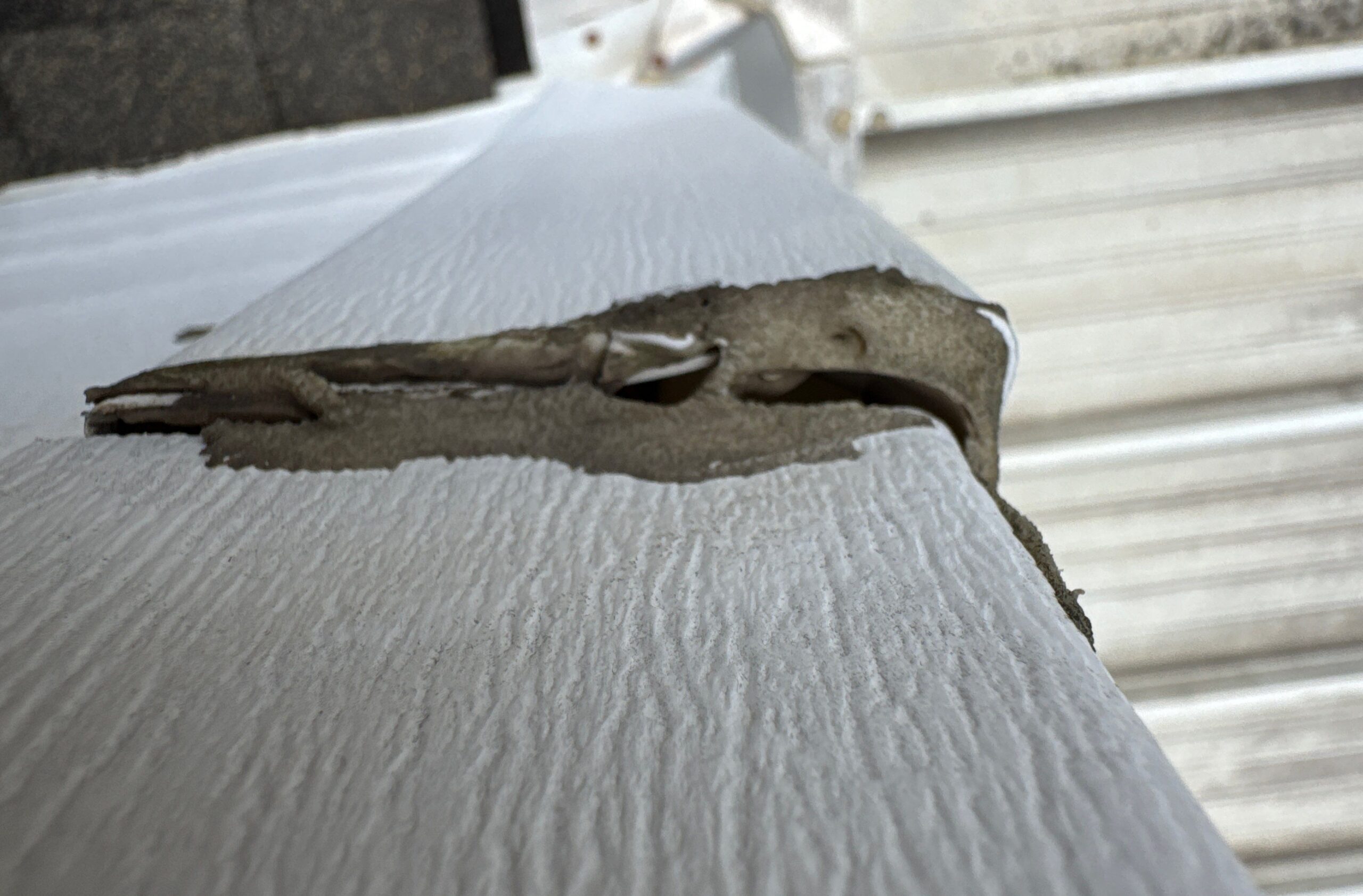
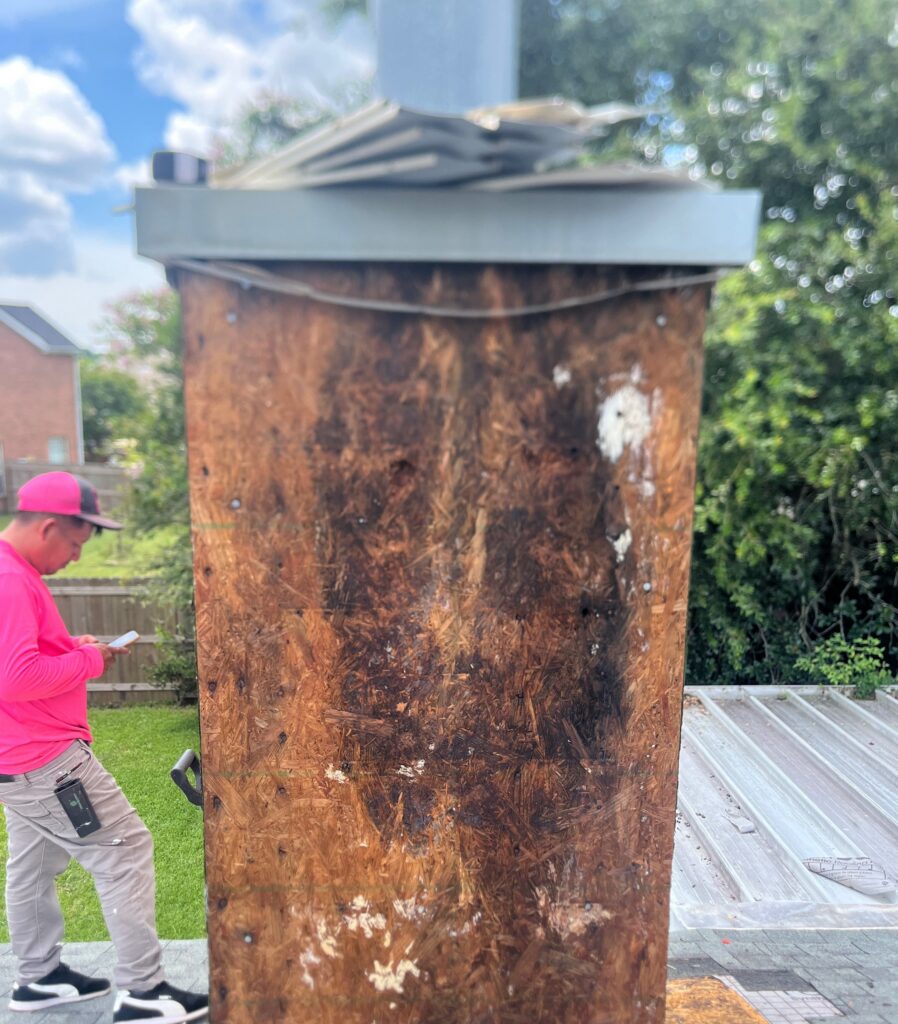
This is the most important disqualifier. If there’s any suspicion of rot, mold, or water intrusion behind the current siding, covering it with a new layer traps the problem rather than solving it — moisture continues to work on the structure underneath, now hidden from view and harder to catch until it’s more advanced.
The Wall Surface Is Uneven or Patched
Old siding that’s been previously patched, repaired with mismatched materials, or has developed unevenness over time creates a poor base for new siding — the imperfections show through, and fasteners may not seat properly.
You’re Switching to Fiber Cement
Fiber cement products, including James Hardie, are generally designed and warrantied for direct attachment to sheathing or furring strips, not installation over an existing layer of a different material. Manufacturer requirements vary, so this is worth confirming directly rather than assuming.
Multiple Layers Already Exist
If your home already has more than one layer of siding from a previous project, adding another typically isn’t advisable — beyond code restrictions in some areas, additional weight and moisture-trapping risk compound with each layer.
You Want to Address What’s Underneath Anyway
If you’re already suspicious of issues with insulation, moisture barriers, or the wall structure itself, a full removal is the only way to actually inspect and address them — covering over unknowns doesn’t resolve them.
Why Full Removal Is Often the Better Choice, Even When Overlay Is Possible
- It’s the only way to fully inspect the sheathing and wall structure underneath before problems become expensive
- It allows for proper installation of moisture barriers and house wrap, rather than working around an existing layer
- It avoids adding weight to the structure from stacked siding layers
- It gives a truer, flatter final result, since imperfections in old siding won’t show through
- It resets the clock cleanly, rather than building a new material’s lifespan expectations on top of an unknown foundation
How a Contractor Decides Which Approach Is Right
- A close inspection of the current siding’s condition, including probing for soft spots or moisture behind panels where accessible
- Assessment of wall flatness and evenness
- Confirmation of local code requirements around layered siding
- Manufacturer requirements for the new material being installed
- An honest conversation about what you’re trying to achieve — lowest short-term cost, or best long-term performance
A reputable contractor won’t default to the cheaper overlay option just because it’s faster — they’ll assess what’s actually underneath and give you a recommendation based on your specific home’s condition, not a blanket answer.
What Each Approach Looks Like in Practice
Installing Over Existing Siding
- Inspection and cleaning of the existing surface
- Installation of furring strips or a leveling layer where needed to create a flat base
- Installation of the new siding material directly over the prepared surface
- Trim and detail work to finish transitions cleanly
Full Removal and Replacement
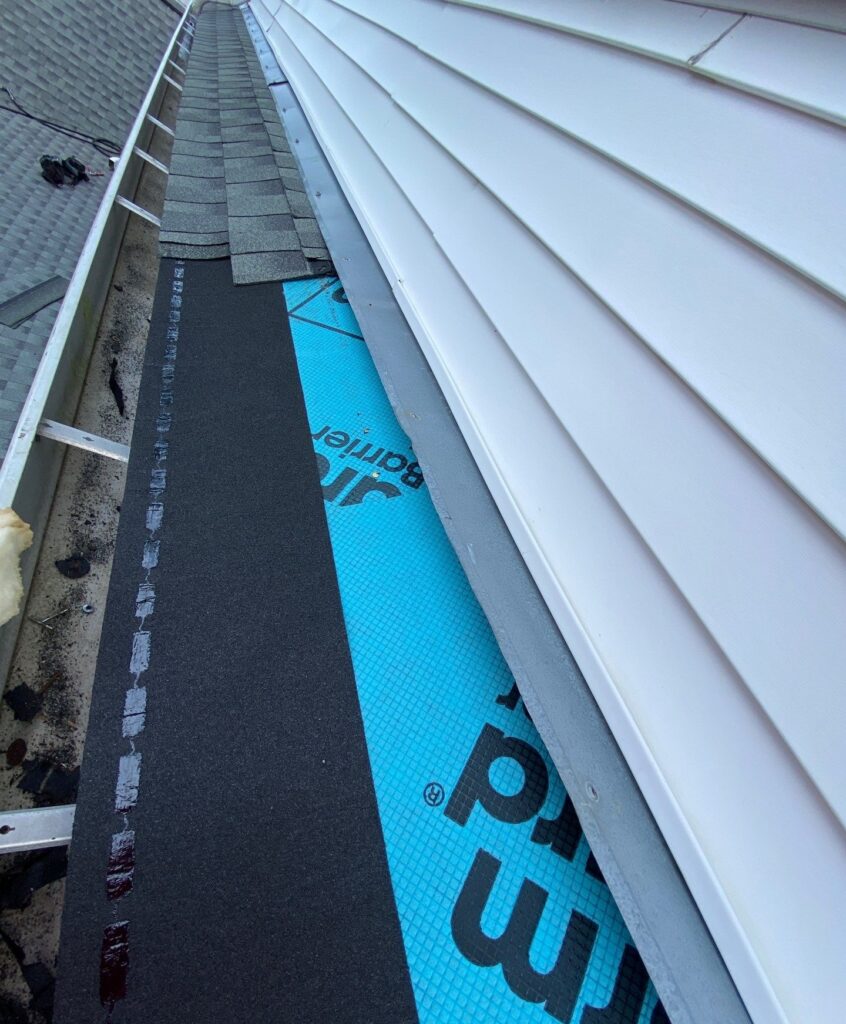
- Removal and disposal of existing siding
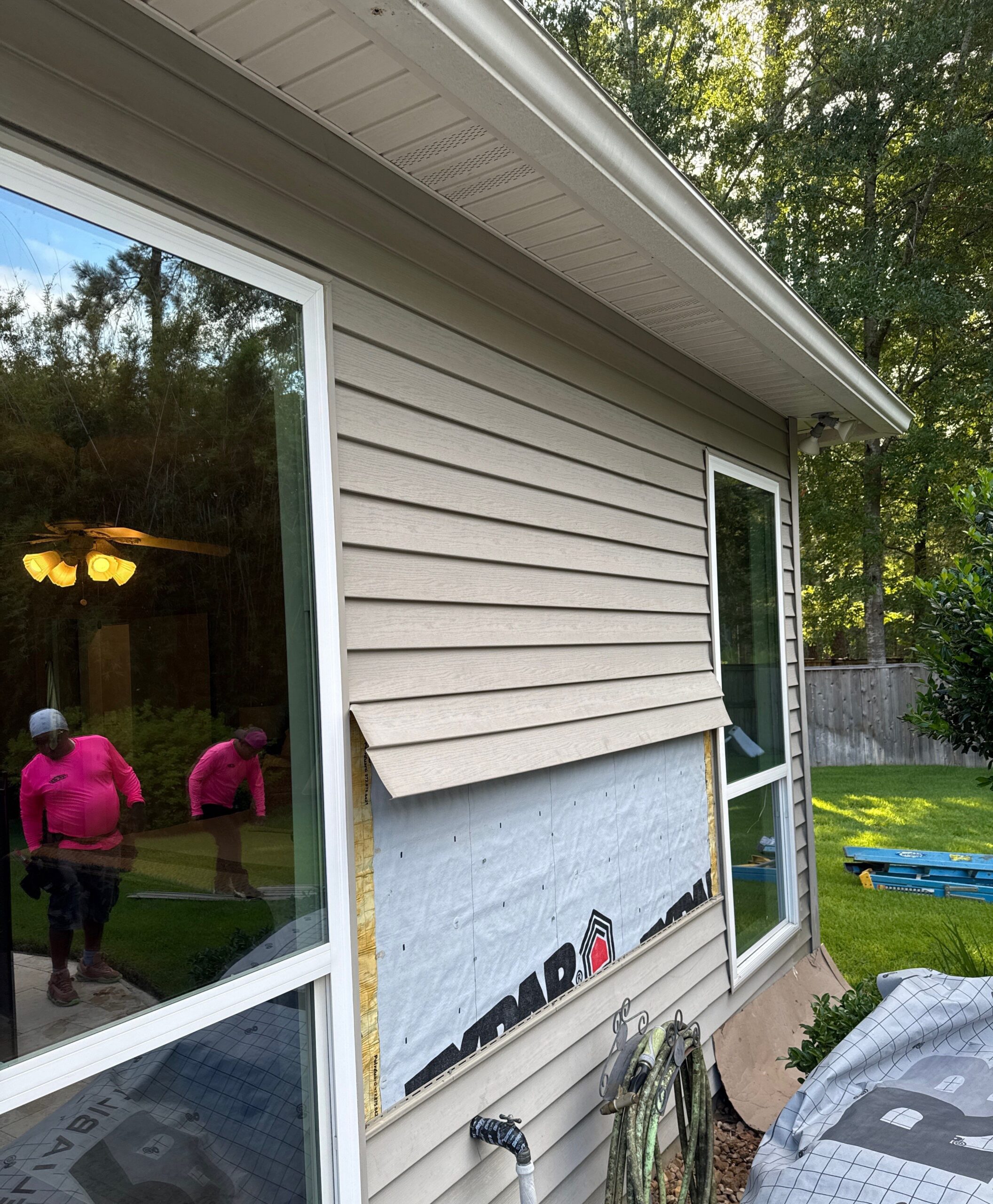
- Inspection and, if needed, repair of the sheathing and structure underneath
- Installation of a new moisture barrier and house wrap
- Installation of the new siding material directly to the prepared substrate
- Trim and detail work to finish transitions cleanly
Both approaches end with a similar-looking final result, but the process — and what’s protected underneath the surface — is meaningfully different.
How This Affects Cost
Installing over existing siding, where appropriate, typically saves on removal and disposal labor. However, that savings should be weighed against the value of a full inspection and moisture barrier installation that comes with removal. For detailed cost ranges by material and project type, see our guide: How Much Does Siding Installation Cost in Metairie?.
Frequently Asked Questions
Is it against code to install siding over old siding?
It depends on your local jurisdiction — some areas limit the number of siding layers a structure can carry. This should be confirmed with a local contractor or building department before assuming it’s an option for your project.
Does installing over old siding void the new material’s warranty?
It can, depending on the manufacturer and material. Fiber cement products in particular often have installation requirements that assume direct attachment to sheathing. Always confirm warranty terms for your specific product before proceeding.
How do I know if there’s hidden damage behind my current siding?
Signs like soft spots when pressed, musty odors, visible staining at seams, or unexplained increases in energy bills can all suggest hidden moisture issues. A professional inspection, sometimes including removing a small test section, is the most reliable way to check.
Is removal always more expensive than installing over old siding?
Usually, yes, in upfront labor cost — but not always by as much as homeowners expect, and the difference needs to be weighed against the risk of covering up unknown problems. Getting quotes for both approaches from a contractor who’s actually inspected your home is the best way to compare.
Can I mix approaches — remove siding in some areas and cover in others?
Sometimes, particularly if certain sections show clear signs of damage while others are sound. A professional assessment can identify which sections, if any, are safe candidates for an overlay approach.
Get an Honest Recommendation for Your Home
Whether installing over your existing siding is the right call depends entirely on what’s underneath it — and that’s not something to guess at. Our team will give you a straightforward assessment and recommend the approach that actually makes sense for your home, not just the fastest option.
We install vinyl, fiber cement, and wood siding throughout Metairie, New Orleans, and South Louisiana — see our Siding services page for more, or give us a call to schedule a free inspection.
More in This Series
New to the topic, or working through a specific decision? Explore the rest of our siding guide:
• Vinyl vs. Fiber Cement vs. Wood Siding: Which Is Right for South Louisiana?
• How Much Does Siding Installation Cost in Metairie?
• Signs Your Siding Needs to Be Replaced
• How Long Does Vinyl Siding Last in Louisiana’s Humidity?
Call us at (504) 230-6512 or request a free inspection online.