Your roof is your home’s first line of defense against the elements — but when severe weather strikes, it can also be its most vulnerable point. From high winds and heavy rain to hail and falling debris, storms can cause serious damage that often goes unnoticed until costly repairs are required.
Fortunately, there are proactive steps every homeowner can take to minimize risk. In this guide, we’ll cover how to protect your roof from storm damage, share proven roof maintenance tips, and explain why regular inspections and professional services are key to long-term protection.
Why Protecting Your Roof Matters
Think of your roof as a shield. It doesn’t just keep you dry — it protects your home’s structure, your possessions, and your family’s safety. When storm damage occurs, it can lead to:
- Water leaks that spread to ceilings and walls.
- Mold and mildew growth from prolonged moisture.
- Structural issues if water penetrates beams or the attic.
- Increased utility bills due to poor insulation.
- Expensive emergency repairs or even full roof replacement.
Taking preventative action can save you thousands of dollars and provide peace of mind every storm season.
Pro Tip: Insurance often covers storm damage, but claims are smoother when you can show proof of regular inspections and maintenance.
Understand the Common Storm Risks to Roofs
Different types of storms bring different risks. Knowing them helps you prepare effectively.
1. Wind Damage
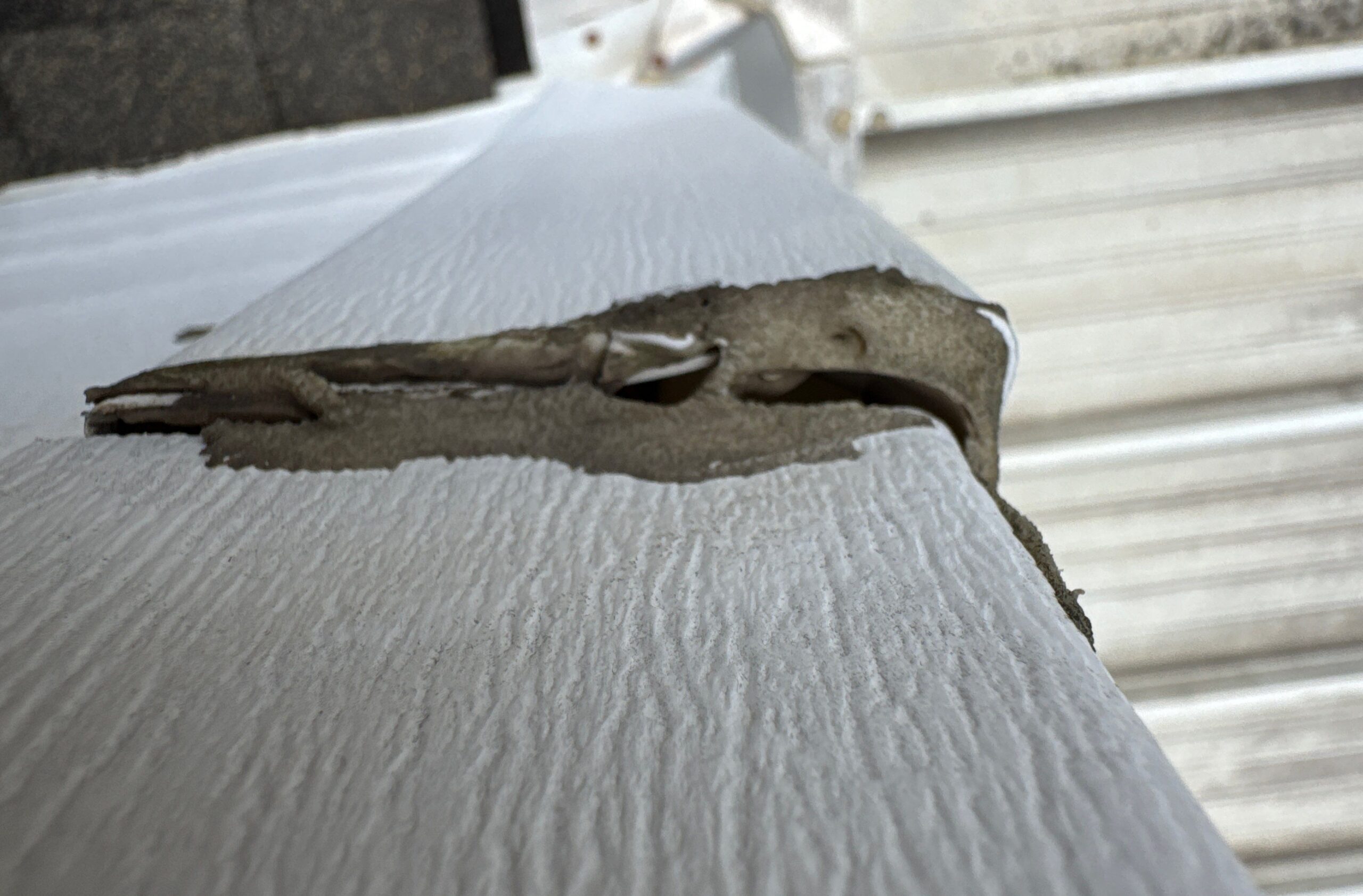
Strong winds can lift shingles, tear flashing, or blow debris into your roof. Even minor wind damage, if ignored, may expose your home to leaks.
2. Hail Damage
Hailstones — even small ones — can bruise shingles, crack tiles, and dent metal roofing. Over time, these weakened spots allow water to seep in.
3. Heavy Rain
When rain comes down fast, clogged gutters or compromised flashing can cause pooling water, leading to roof leaks and water intrusion.
4. Falling Debris
Tree branches, patio furniture, and even yard decorations can turn into projectiles during storms, puncturing or cracking your roof surface.
Consider including a diagram here comparing storm types and the common roof problems they cause.
Regular Inspections: Your First Line of Defense
One of the simplest yet most effective ways to prevent roof damage is through regular inspections.
How Often Should You Inspect?
- Twice a year: Ideally in spring (after winter weather) and fall (before storm season).
- After major storms: Even if damage isn’t obvious from the ground, it may exist.
What to Look For During Inspections
- Shingles: Missing, curling, or cracked pieces.
- Flashing: Loose or rusted areas around chimneys, skylights, or vents.
- Gutters: Blockages, sagging sections, or signs of water overflow.
- Attic: Water stains, mold, or daylight peeking through.
Consider adding a downloadable “Roofing Inspection Checklist” graphic here for homeowners to follow.
If climbing ladders feels unsafe, schedule professional Roof Inspection Services. They not only spot issues but also provide written documentation for insurance purposes.
Preventative Maintenance: Small Actions That Save Big
Storm protection starts long before bad weather arrives. Here are roof maintenance tips every homeowner should adopt:
1. Trim Nearby Trees
Keep branches at least 6 feet away from your roofline to reduce the chance of falling debris.
2. Secure Loose Shingles and Flashing
Address small repairs before they become major leaks.
3. Clean Gutters and Downspouts
Clear leaves and debris to allow proper water flow and prevent overflow.
4. Reinforce Gutters and Fascia
Heavy rains put pressure on gutters. Make sure they’re tightly secured to avoid collapse.
5. Upgrade Roofing Materials
If you live in a storm-prone region, consider impact-resistant shingles or a metal roof for better hail damage protection.
For advanced protection, read more about what is a fortified roof. Fortified roofing systems meet higher standards for wind and impact resistance, giving you long-term confidence.
Professional Services: The Safest Long-Term Solution
DIY care goes a long way, but professional roofers bring expertise that most homeowners can’t match.
Why Hire a Pro?
- Trained eye: Detects hidden problems homeowners often overlook.
- Specialized tools: Thermal imaging, moisture scanners, and drones.
- Tailored recommendations: Guidance on the best storm-resistant roofing for your area.
- Safe execution: Reduces personal risk, especially for older or less mobile homeowners.
Emergency Services After a Storm
If damage occurs, don’t wait. Professional Storm Damage Repair can:
- Secure tarps to prevent further leaks.
- Repair or replace damaged shingles.
- Document damage for insurance claims.
FEMA recommends following Pre-Storm Home Readiness Tips, while the NRCA advises homeowners Why You Should Hire a Pro Roofer After Storm Damage. Both emphasize that professional services are the safest way forward.
Cost-Saving Benefits of Proactive Maintenance
Let’s break down the financial benefits of preventative care:
- Gutter cleaning: $150–$250, versus thousands in water damage repairs.
- Minor shingle repair: $200–$600, versus $8,000–$15,000 for a full roof replacement.
- Professional inspection: Often free, but even at $150–$400, it’s cheaper than emergency repairs.
Simply put: every dollar spent on maintenance can save you several dollars in storm damage repairs.
How to Create a Storm-Ready Routine
To stay prepared year-round, follow this checklist:
- Inspect your roof in spring and fall.
- Schedule a professional inspection annually.
- Clean gutters every 3–4 months.
- Trim trees seasonally, especially before hurricane season.
- Keep an emergency kit handy (tarps, flashlight, first aid supplies).
This storm-preparedness mindset ensures you’re never caught off guard.
Conclusion
Knowing how to protect your roof from storm damage empowers you to safeguard your home, reduce costs, and gain peace of mind. With regular inspections, simple preventative maintenance, and professional services, you’ll be ready to face whatever nature throws your way.
Book a Free Roof Inspection Today with Lone Wolf Siding and Roofing to ensure your home is storm-ready.
Frequently Asked Questions
How often should I inspect my roof for storm damage?
At minimum, inspect twice a year — in spring and fall — and after any major storm. Professional inspections should be scheduled annually.
Can I storm-proof my roof myself?
You can take basic steps like trimming trees, cleaning gutters, and repairing loose shingles. For full storm-proofing, especially in hurricane-prone areas, professional reinforcement is recommended.
What roofing materials are best for storm resistance?
Impact-resistant asphalt shingles, standing seam metal roofing, and fortified roofing systems provide excellent protection against hail and high winds.
How much does a professional roof inspection cost?
Most inspections cost $150–$400, though many roofing companies (including Lone Wolf) offer them for free.
What should I do immediately after a storm hits?
Stay safe first. Inspect from the ground, take photos of damage, and contact a professional for a full inspection. Avoid climbing onto the roof yourself.
Should I file an insurance claim for minor storm damage?
Yes — even minor issues can worsen over time. Filing early prevents future disputes with your insurance provider.
Are metal roofs better for storm protection?
Yes. Metal roofs are highly resistant to wind and hail damage, making them a popular choice in storm-prone regions.
How long does storm damage repair take?
It depends on severity. Minor shingle repairs may be done in hours, while full replacements can take several days. Emergency tarping is usually done immediately.
What signs of hidden storm damage should I look for?
Inside: water stains, peeling paint, or musty odors. Outside: subtle shingle dents, loose flashing, or sagging gutters.
Can storm-resistant upgrades lower my insurance premium?
In many cases, yes. Installing a fortified roof or impact-resistant shingles may qualify you for discounts with certain insurance companies.