Most homeowners never think about their attic until something goes wrong — a spike in the summer power bill, a musty smell, or shingles that seem to be aging faster than they should. In almost every case, the root cause traces back to the same thing: attic ventilation. And soffit vents are where that entire system starts.
This guide covers how attic ventilation actually works, why it matters more in South Louisiana than almost anywhere else, the different vent types involved, how soffit vents specifically fit in, and the warning signs that your attic isn’t breathing the way it should.
What Is Attic Ventilation?
Attic ventilation is the continuous flow of outside air through your attic space — air enters low, near the eaves, and exits high, near the roof’s peak. This constant airflow prevents heat and moisture from building up in a space that, without it, has almost nowhere to go.
A properly ventilated attic works passively, using natural airflow rather than mechanical fans, through a simple principle: intake vents low on the roofline let cooler outside air in, and exhaust vents high on the roofline let hot, moist air out.
Why Attic Ventilation Matters
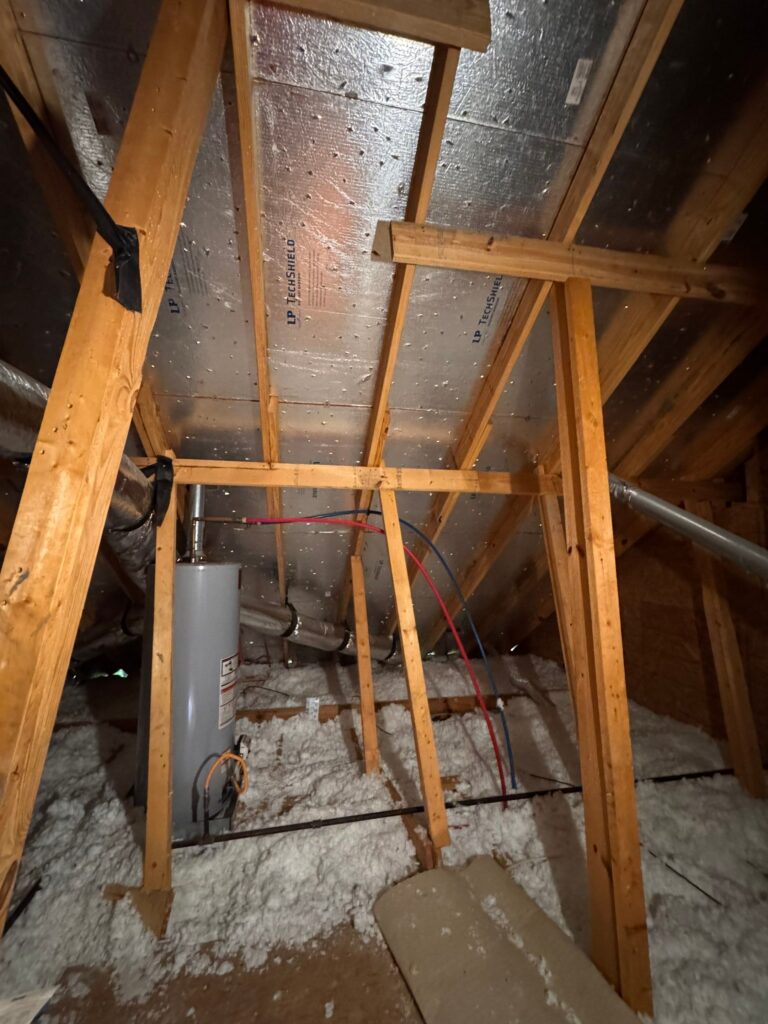
1. Temperature Control
Without airflow, attic temperatures in South Louisiana summers can climb well above 150°F. That heat doesn’t stay contained — it radiates down into living spaces, forcing your HVAC system to work harder and driving up cooling costs. Proper ventilation continuously exhausts that trapped heat instead of letting it build.
2. Moisture Control
Humid outside air, everyday household moisture (showers, cooking, laundry), and temperature swings between day and night all introduce moisture into the attic. Without airflow to carry it back out, that moisture condenses on the underside of the roof deck and framing — creating conditions for wood rot, mold, and mildew, especially in a climate as humid as South Louisiana’s.
3. Roof Lifespan and Warranty Protection
Trapped heat accelerates the aging process of asphalt shingles from underneath, often shortening their lifespan well below the manufacturer’s rated years. It’s also worth noting: most major shingle manufacturers require proper attic ventilation as a condition of their warranty. Inadequate ventilation can void coverage entirely, even if the shingles themselves were installed correctly.
4. Ice and Moisture Damage Prevention
While ice damming is less of a concern in South Louisiana than colder climates, the same uneven-temperature principle applies to moisture: hot, stagnant attic air meeting cooler surfaces creates condensation points that lead to the same kind of rot and staining, just through a different mechanism.
5. Pest and Odor Prevention
A hot, stagnant, humid attic is an inviting environment for pests, and trapped moisture is a common source of musty odors that work their way down into living spaces even when there’s no visible mold.
How a Balanced Attic Ventilation System Works
Attic ventilation isn’t a single vent doing all the work — it’s a balanced system of intake and exhaust working together. If either side is missing, blocked, or undersized, the whole system underperforms, no matter how well the other half is installed.
Intake Vents: Where Soffit Vents Come In
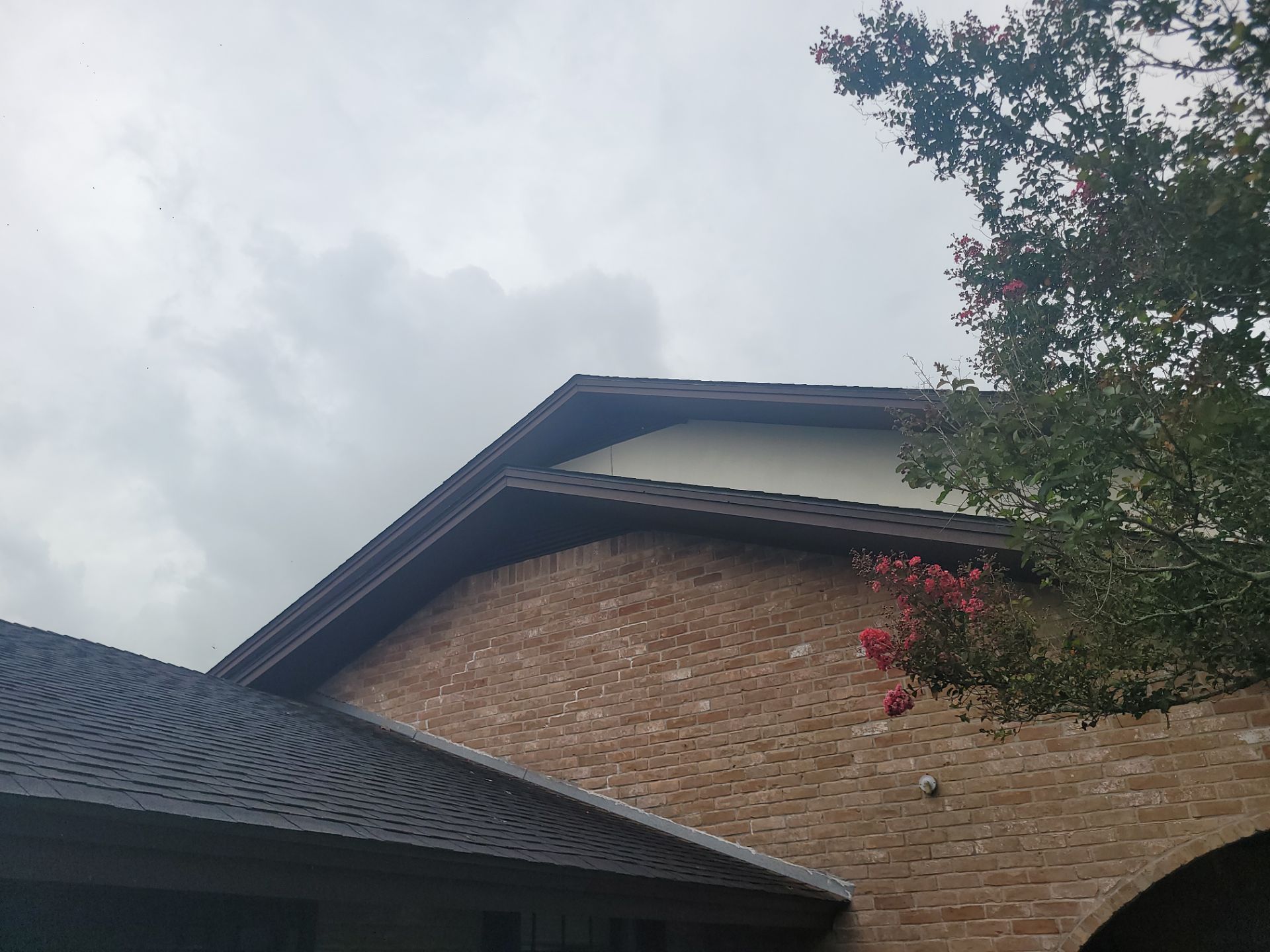
Intake is the “in” side of the system, and it’s almost always located at the soffit — the underside of your roof overhang. Soffit vents are small perforations or vent strips built into the soffit material that let cooler outside air flow up into the attic space, where it can push warmer, moist air out through the exhaust vents above.
Because intake sits at the lowest point of the attic, soffit vents set the baseline for how well the entire system performs. A beautifully installed ridge vent can’t do its job if there’s no intake air feeding it from below.
Exhaust Vents: Letting Hot Air Escape
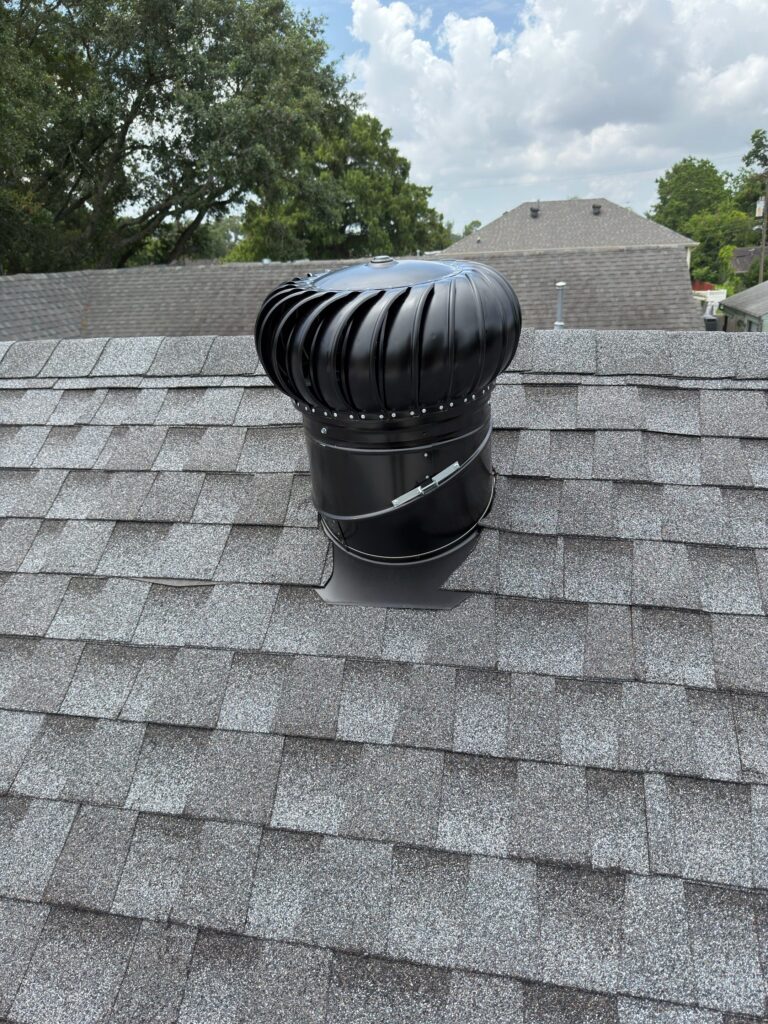
Exhaust vents sit at the highest points of the roofline and let the hot, moist air that’s risen through the attic escape outside. Common exhaust vent types include:
Ridge vents — A continuous vent installed along the peak of the roof, hidden under the ridge cap shingles — one of the most common and effective exhaust options on modern roofs.
Turbine vents — Wind-powered spinning vents mounted on the roof surface that actively pull air out as they rotate — a strong option on roofs without a straightforward ridge line.
Gable vents — Louvered vents installed in the gable ends of the attic, common on older homes and still effective when paired with adequate intake.
Power attic fans — Electrically powered fans that actively exhaust attic air. These can help in specific situations, but if oversized or poorly balanced against available intake, they can actually pull conditioned air from your living space instead of outside air — worth having sized correctly by a professional rather than installed as a default fix.
Getting the Balance Right
Roofing professionals generally aim for a balance of intake and exhaust ventilation, following building-code-based ratios tied to attic floor area. Too much exhaust relative to intake and the system starts pulling air from the wrong places — sometimes from gaps in the living space below rather than the soffit as intended. Too little exhaust and the system simply can’t move enough air out. This is exactly the kind of detail worth having assessed during a roof inspection rather than guessed at.
Common Attic Ventilation Problems
Blocked or Damaged Soffit Vents
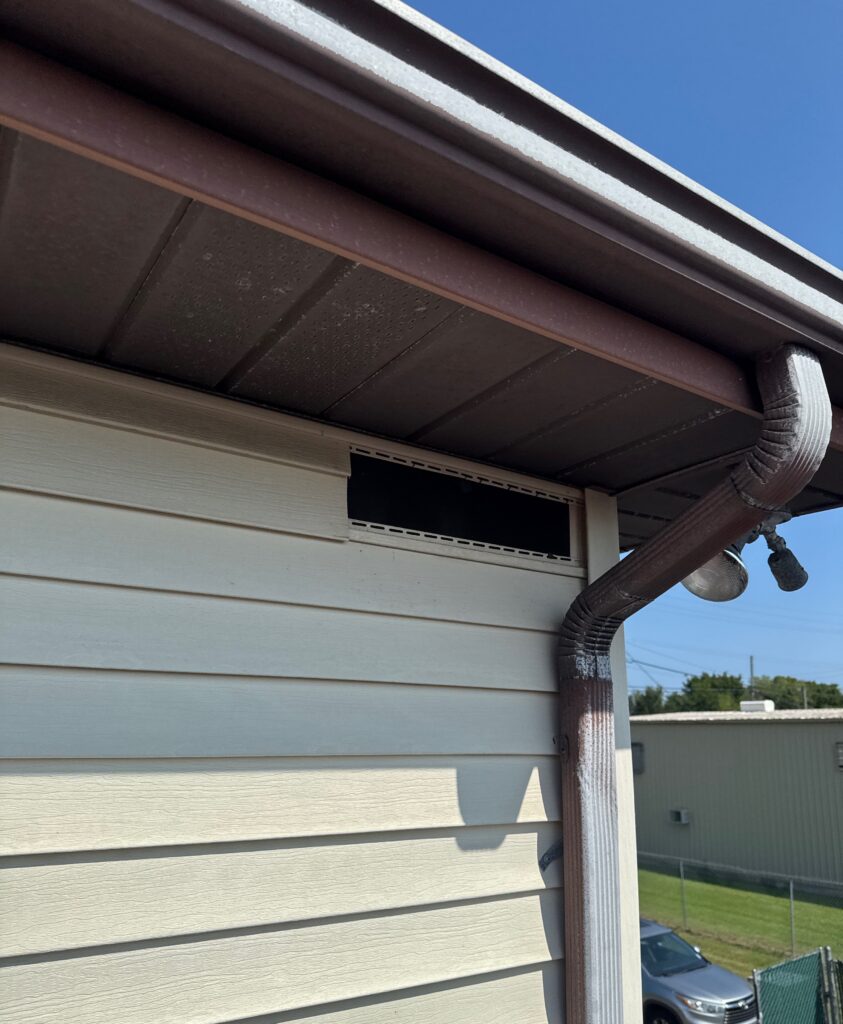
Paint buildup, insulation stuffed too close to the eaves, pest nesting, or simple physical damage can all block soffit vents from doing their job — restricting intake airflow even when the exhaust side is functioning perfectly.
Damaged Gable Vents
On homes with gable-style exhaust, damaged or missing vent louvers let in weather and pests while doing little to actually manage airflow correctly.
Insulation Blocking the Soffit-to-Attic Airflow Path
A frequent — and often invisible — issue: attic insulation that’s been pushed or blown too far toward the eaves can block the airflow path between the soffit vents and the open attic space, even when the soffit vents themselves are in perfect condition. Baffles (sometimes called vent chutes) are meant to keep this path clear and are easy to overlook during insulation work.
Gaps or Poor Sealing at the Roof Deck
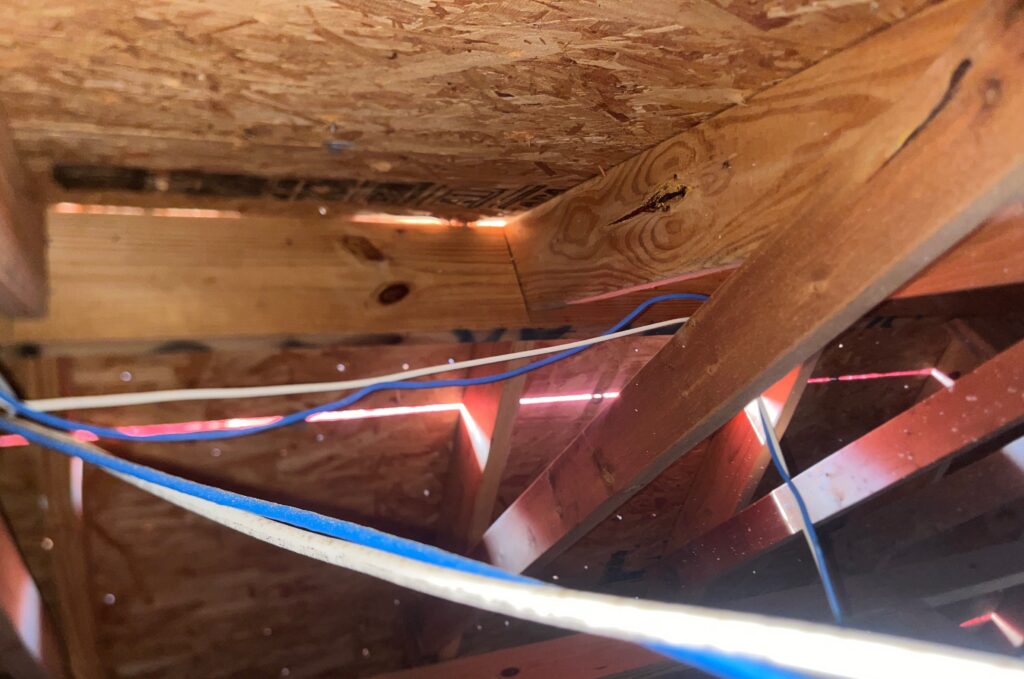
Improperly sealed penetrations or gaps in the roof deck can let daylight — and uncontrolled air or moisture — into the attic in ways that undermine the intended, controlled ventilation path.
Signs Your Attic Ventilation Needs Attention
- Noticeably hot upstairs rooms, even with the AC running
- Higher-than-expected summer cooling bills
- A musty smell in the attic or upper floors
- Visible mold, mildew, or dark staining on roof decking or rafters when viewed from inside the attic
- Shingles that appear to be aging, curling, or losing granules faster than expected for their age
- Condensation or moisture on attic surfaces during humid weather
- Frost or moisture buildup on nail tips visible from inside the attic during cooler months
Since soffit vents are the intake side of this entire system, and soffit condition affects both airflow and moisture exposure, ventilation issues often show up alongside the same warning signs covered in our guide to spotting fascia and soffit damage — the two are closely connected.
How Soffit Vents Specifically Help
- Provide the intake airflow that the entire ventilation system depends on
- Allow cooler air to displace hot, stagnant air rising toward exhaust vents
- Help regulate moisture levels before they reach damaging thresholds
- Support consistent airflow along the full perimeter of the roofline, rather than a single concentrated point
- Work invisibly from the street — properly functioning soffit vents require no visible change to your home’s appearance
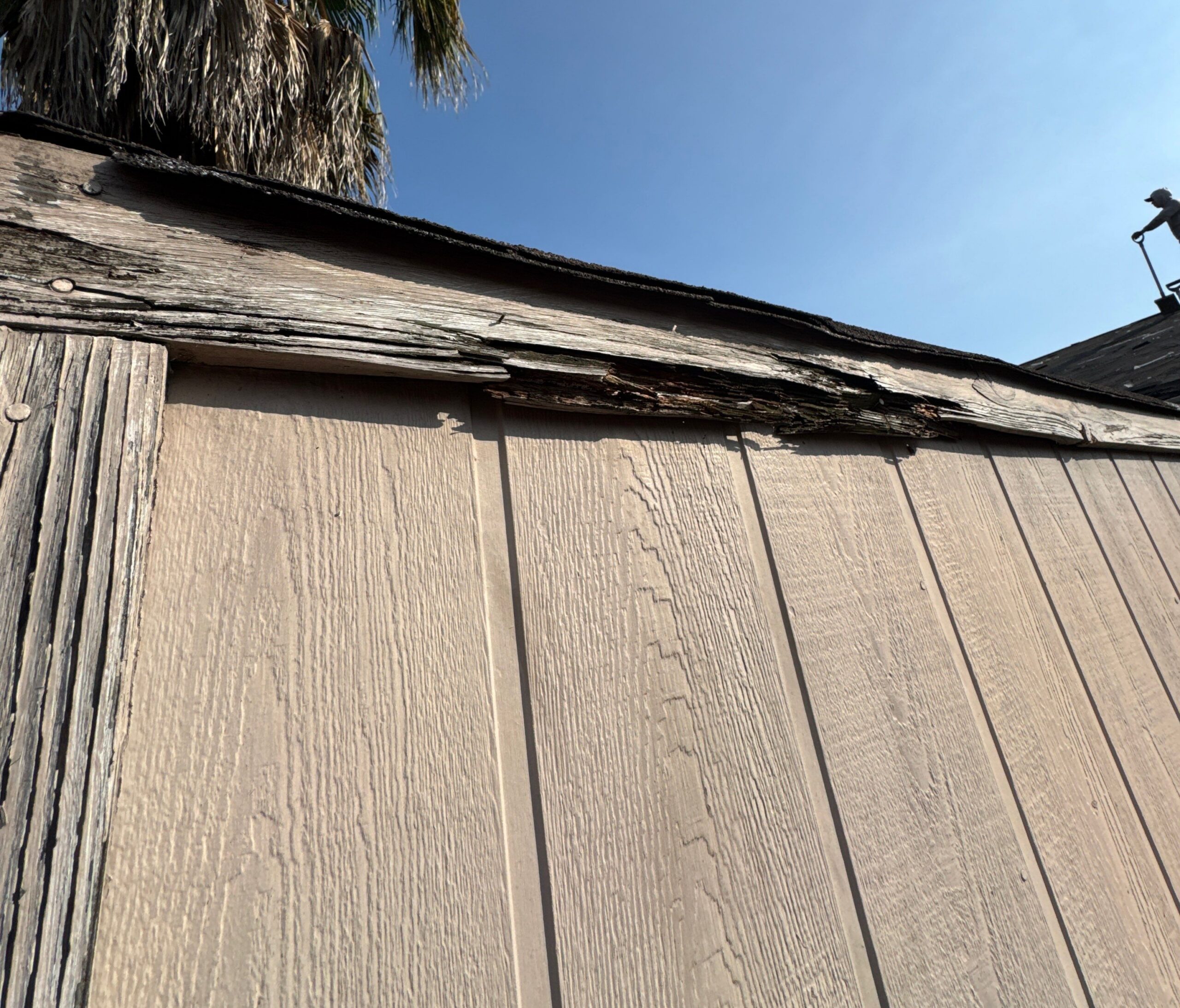
Because soffit vents are structurally part of your soffit system, damage to the soffit itself — cracking, gaps, rot, or missing sections — very often means compromised ventilation too. For a full breakdown of soffit materials, function, and maintenance, see our guide to soffit and fascia.
Frequently Asked Questions
How much attic ventilation do I need?
Most building codes reference a ratio tied to your attic’s square footage, generally split evenly between intake and exhaust. The right number depends on your attic’s size, roof design, and existing insulation — best confirmed with a professional assessment rather than a rule of thumb applied blindly.
Can I have too much attic ventilation?
Rarely, when intake and exhaust are properly balanced. Problems tend to come from imbalance — too much exhaust capacity without enough intake to feed it — rather than simply having “too much” ventilation overall.
Do soffit vents let in bugs or water?
Properly installed soffit vents include mesh screening designed to allow airflow while blocking pests and debris. Damaged or poorly installed screening is a common entry point for insects, which is one more reason soffit condition matters beyond just ventilation.
Will adding a power attic fan fix my ventilation problems?
Not automatically, and sometimes it makes things worse. A power fan sized without accounting for available intake can end up pulling conditioned air from your living space through ceiling gaps instead of pulling outside air through the soffit as intended. It’s worth having a professional evaluate your existing intake capacity before adding one.
Does attic ventilation affect my energy bills?
Yes. A poorly ventilated attic traps heat that radiates into living spaces below, forcing your HVAC system to work harder — particularly in South Louisiana’s long, humid summers. Improving ventilation is one of the more cost-effective ways to ease that load.
Keep Your Attic Breathing the Way It Should
Attic ventilation is easy to overlook because most of it happens somewhere you rarely look. But it directly affects your energy bills, your roof’s lifespan, your shingle warranty, and your indoor air quality — all starting with whether your soffit vents are clear, intact, and doing their job.
If you’re noticing signs of poor ventilation, or it’s simply been a while since your attic and soffit system were inspected, our team can take a look. We handle soffit and fascia installation and repair, along with full roofing inspections, throughout Metairie, New Orleans, and South Louisiana — see our Soffit and Fascia services page for more, or give us a call to schedule an inspection.
Call us at (504) 230-6512 or request a free inspection online.