After a hailstorm, your roof may have sustained more damage than you realize. Hail can compromise the structural integrity of your home, even if there are no visible leaks right away. This guide helps you understand what hail damage looks like on a roof, what signs to watch for, and when to call in a professional. Don’t wait until it’s too late: Getting a proper roof inspection can save you thousands in repair costs and ensure your insurance claim isn’t denied.
Why Roof Inspections After Hail Are Crucial
Hailstorms are unpredictable and can cause extensive damage in just a few minutes. The National Weather Service’s thunderstorm safety guidelines emphasize how quickly storms can escalate and why homeowners should inspect their homes afterward, even if the damage isn’t obvious.
A timely roof inspection after a hailstorm helps:
- Detect minor issues before they worsen
- Prevent water intrusion and mold growth
- Establish documentation for an insurance claim for hail damage
- Protect your property value and structural safety
Pro tip: Document the date of the storm, take pictures of hailstones if safe to do so, and inspect your property’s exterior right after the weather clears.
How to Spot Hail Damage on Your Roof
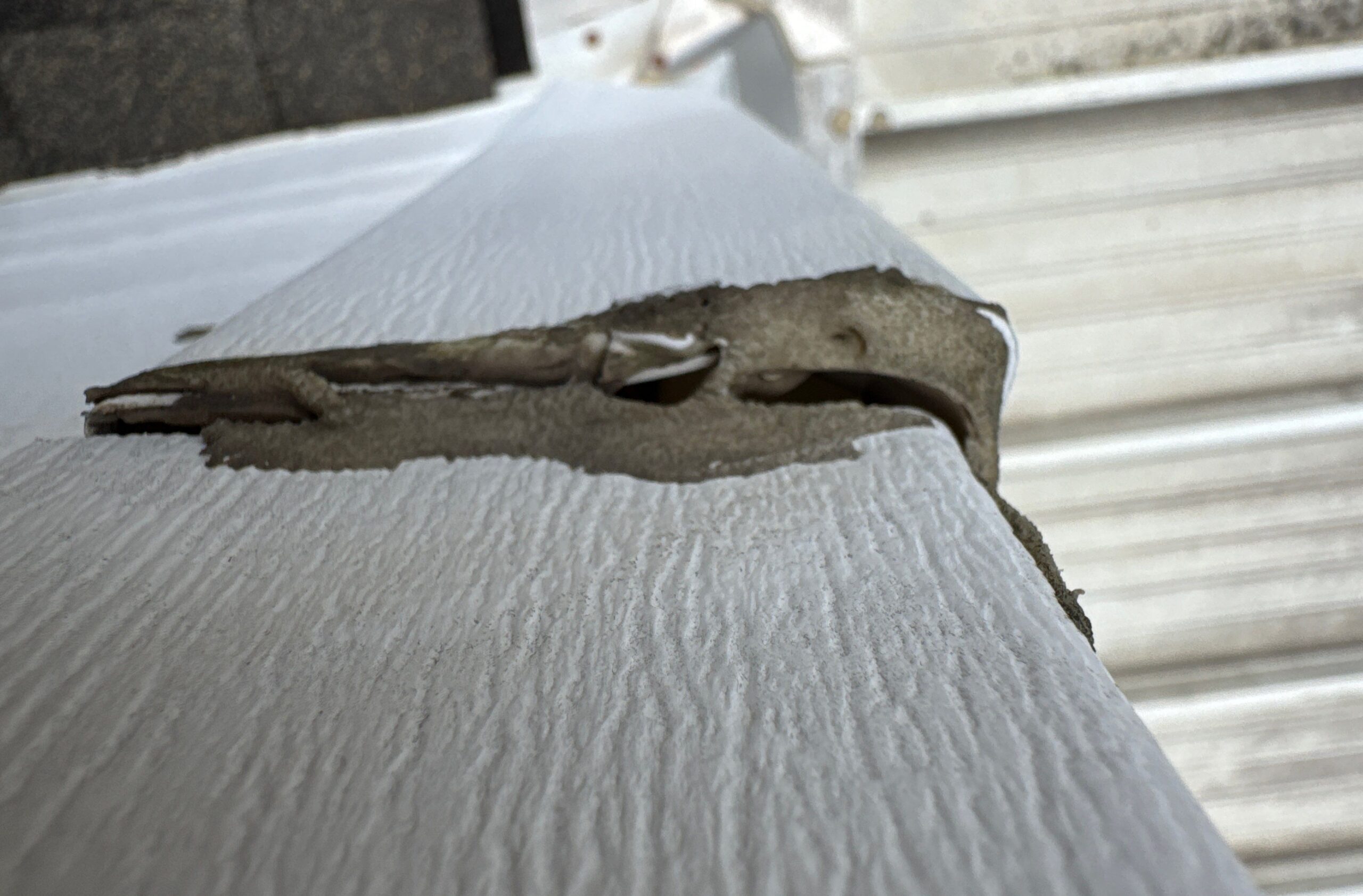
Hail damage isn’t always dramatic. It often takes the form of subtle issues that worsen over time. Understanding the signs of hail damage on a roof can help you act quickly.
General Signs of Hail Damage
- Dark spots or dents on shingles
- Granule loss (you’ll see sand-like particles in gutters or around your foundation)
- Soft spots or bruising on shingles (they feel spongy when pressed)
- Cracks or splits in shingles or wood shakes
- Indentations on vents, skylights, gutters, and flashing
Roof Materials: What Does Hail Damage Look Like?
The type of hail damage your roof sustains depends on the material used:
| Roof Type | Hail Damage Characteristics |
| Asphalt Shingles | Bruising, missing granules, circular impact marks |
| Metal Roofing | Dents, bent flashing, scratched protective coating |
| Wood Shakes/Shingles | Splits along the grain, chipped edges, indentations |
| Clay or Slate Tiles | Cracked or shattered tiles, chipping around edges |
| Synthetic/Composite | Small punctures, deformed tiles, delamination in extreme cases |
If your home uses a specialty material, it’s especially important to get an inspection. Many signs of damage aren’t visible from the ground.
What Size Hail Damages a Roof?
Many homeowners assume that only large hailstones cause roof damage. In truth, hail as small as 1 inch (quarter-sized) can harm older or worn-out roofing materials.
Here’s a general breakdown:
- ¾ inch (dime-sized) – May affect thin shingles with age-related wear
- 1 inch (quarter-sized) – Can bruise or displace granules on asphalt shingles
- 1.25 inch (half-dollar) – Likely to cause splitting or cracking on wood shingles
- 1.5 inches (ping pong ball) – Can break tiles, cause leaks, and dent metal
- 2+ inches – Major structural damage likely, even with newer roofs
Larger hailstones often come with stronger winds, increasing their destructive potential. Don’t underestimate smaller hail. Roofers routinely find hail damage roof shingles after what many homeowners assume were “mild” storms.
Minor vs. Severe Hail Damage
What Does Minor Hail Damage Look Like?
- Light granule loss on shingles
- Tiny dents on metal gutters or downspouts
- Hairline cracks on skylights or solar panels
- Slight soft spots under shingles
What Constitutes Severe Damage?
- Exposed fiberglass matting
- Torn or dislodged shingles
- Multiple impact zones on the same slope
- Flashing separation around chimneys or vents
- Water stains in the attic or ceilings
Over time, minor hail damage can evolve into severe issues if left untreated, especially in humid or rainy climates.
Damage Beyond the Roof: What Else to Check
After a hailstorm, the roof isn’t the only area that may be compromised. Professionals also check:
- Gutters & Downspouts – Look for dents or blockages that can affect drainage
- Roof Vents & Flashing – Metal components are often dented or warped
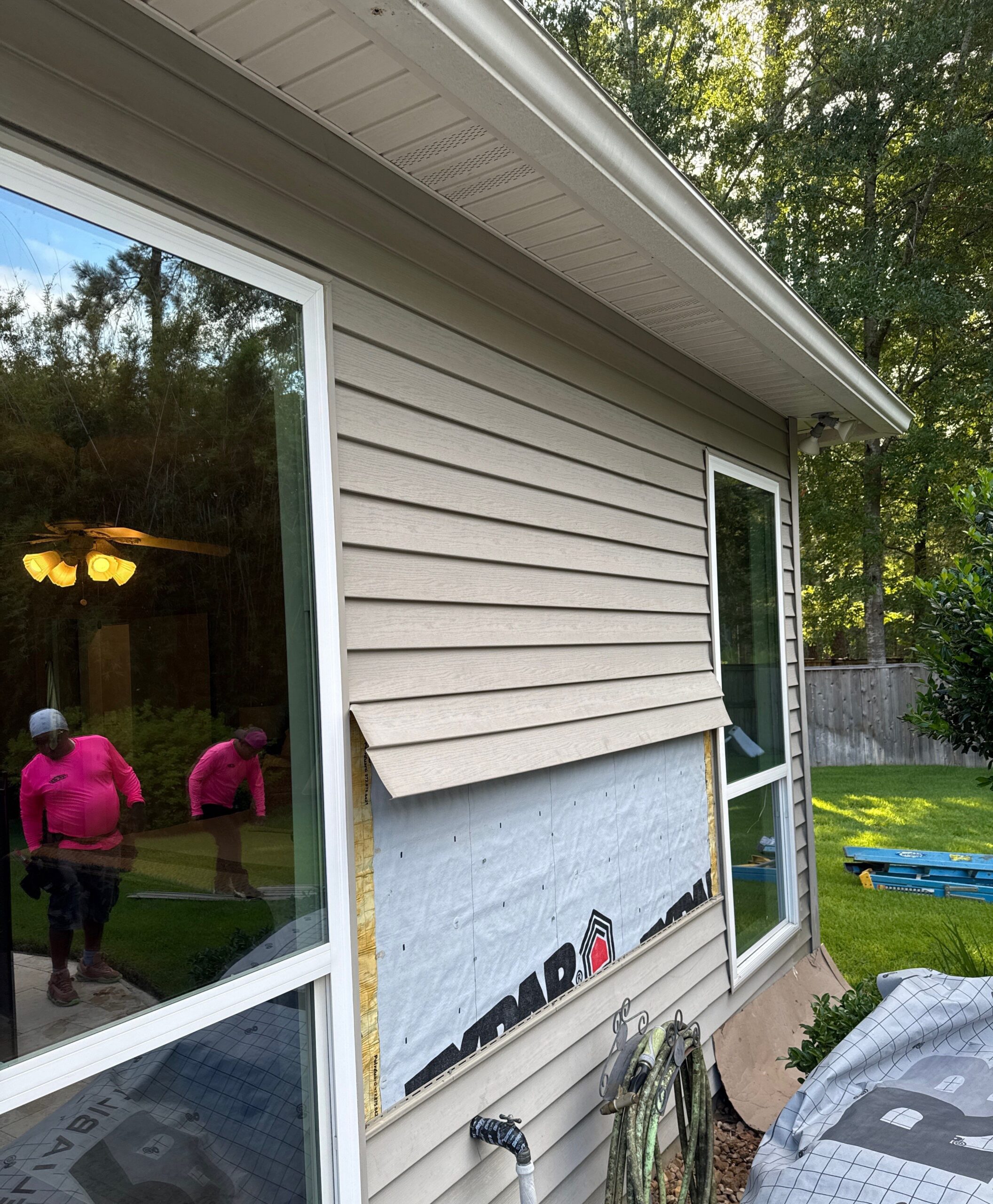
- Windows & Siding – Cracks or impact marks can also signal hail path and severity
- Outdoor HVAC Units – Fins can be bent, reducing efficiency
- Fascia and Soffits – These often show damage when hail hits horizontally
Professional Roof Inspections After Hail: What to Expect
When you schedule a roof inspection with a trusted contractor like Lone Wolf Roofing, here’s what happens:
- Visual Inspection – The roofer will assess the entire roof, noting signs of impact.
- Photographic Documentation – Images of damage will be taken for insurance purposes.
- Assessment of Severity – Minor issues may be repairable, while major damage may require roof replacement.
- Inspection Report – A formal summary to support your insurance claim.
- Repair Estimate – Cost breakdown for necessary repairs or replacement.
Insurance Claim for Hail Damage: How It Works
Will Insurance Cover It?
Yes, most homeowner policies cover hail damage. However, coverage depends on:
- Your deductible
- The extent of the damage
- When you file your claim (sooner is better)
- Whether the roof was maintained before the storm
How to File a Hail Damage Insurance Claim
- Schedule a roof inspection immediately after the storm
- Contact your insurance provider to initiate the claim
- Share the roofer’s report and photo evidence
- Meet with the adjuster when they inspect your roof
- Have the roofer present to ensure nothing is missed
Need help with the insurance claim process? Lone Wolf Roofing offers full support to make it smooth and stress-free.
Common Misconceptions About Hail Damage
“If there’s no leak, my roof is fine.”
Not true. Leaks often take weeks or months to appear after hail hits the roofing underlayment.
“Only big hailstones cause damage.”
As mentioned earlier, hailstones smaller than 1 inch can still cause serious issues, especially with older or brittle shingles. Refer to FEMA’s hail prevention guide for structural suggestions that can reduce future risks.
“My roof is under warranty: it’s covered.”
Warranties often exclude storm-related damage. You’ll need to go through your insurance provider to get coverage for hail-related issues.
How to Prevent Future Hail Damage
While you can’t control the weather, you can make smart decisions that reduce your roof’s vulnerability:
- Install impact-resistant shingles or metal roofing
- Add protective screens over roof vents and skylights
- Ensure your roof has proper attic ventilation to reduce shingle brittleness
- Trim trees near your roof to prevent added damage during storms
- Schedule annual roof inspections, especially if your area is storm-prone
Conclusion: Don’t Wait, Schedule a Roof Inspection Today
If you live in a hail-prone region, you can’t afford to ignore storm damage. Your roof is your home’s first line of defense, and what looks like minor hail damage today could lead to major leaks tomorrow.
Take action now:
- Protect your investment
- Prevent future structural issues
- Ensure a smooth insurance claim process
Book a free roof inspection with Lone Wolf Roofing today. Let our experts help you assess the damage and provide a plan for protection and peace of mind.
FAQs About Hail Damage on Roofs
How do I know if my roof has hail damage?
Look for dark spots, bruising, missing granules, dents on flashing, or clogged gutters. If you’re unsure, it’s safest to book a professional roof inspection.
What does minor hail damage look like?
Minor damage may show as small soft spots or dented gutters. These areas may not leak right away, but weaken the roof over time.
Will insurance cover hail damage to my roof?
Yes, as long as the claim is filed promptly and you have documentation. Work with a professional roofer to ensure you receive fair compensation.
Can hail damage be repaired without replacing the roof?
Yes. If only a few shingles are affected or dents are localized, targeted repairs may be possible. A contractor will assess whether repairs or replacement is more cost-effective.