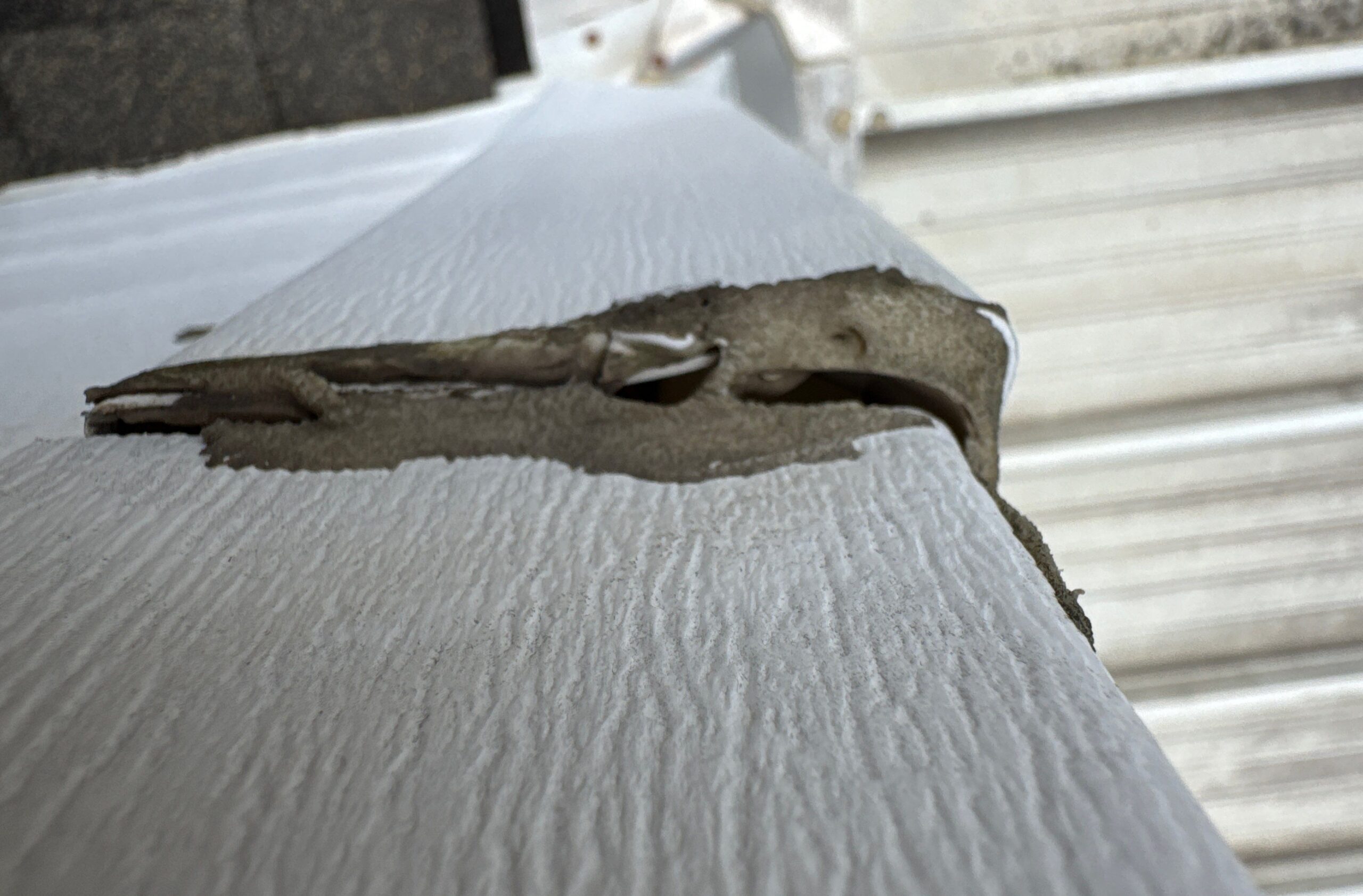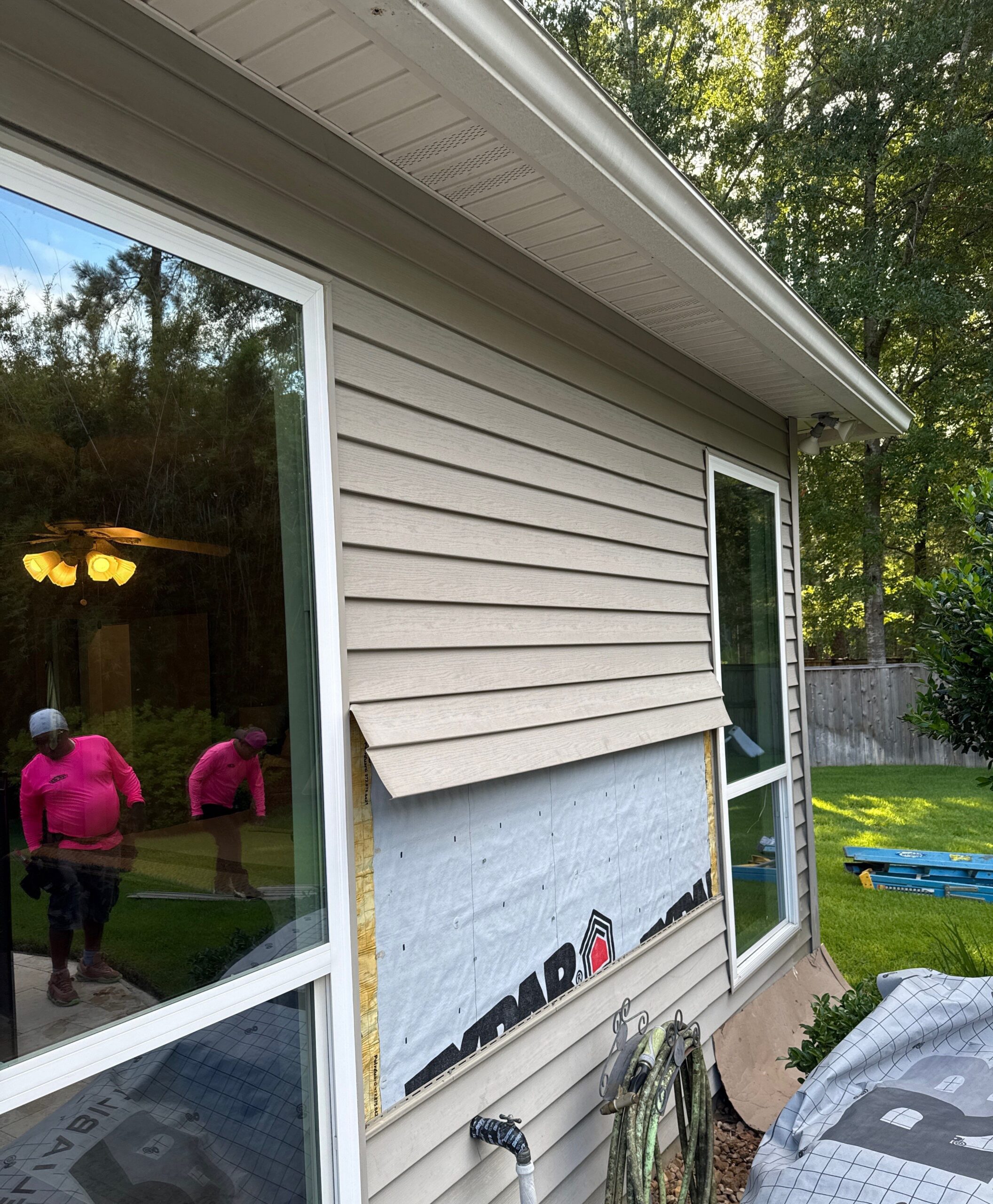
To replace a missing roof shingle, carefully lift the shingles above the gap, remove any remaining nails or pieces from the old shingle, slide a matching new shingle into place, nail it down with roofing nails, and seal the edges with roofing cement or adhesive. This prevents leaks, protects the roof deck, and extends the life of your roof.
Replacing a missing or damaged shingle promptly is essential, especially in storm-prone areas like South Louisiana, because even one exposed spot can lead to water infiltration and structural damage. This guide shows South Louisiana homeowners exactly how to do it safely, what materials to use, and when to call a trusted professional like Lone Wolf Roofing for backup.
Why Replacing a Single Missing Shingle Matters
You might think one missing shingle isn’t a big deal. But in reality, it can leave your roof deck exposed to rain, humidity, and strong Gulf winds. Over time, this exposure causes water infiltration, rot, and mold, damaging the structural integrity of your roof. Worse, the damage often spreads to nearby surrounding shingles, especially during repeated storms.
In South Louisiana, where heavy rain and hurricanes are part of life, fast shingle repair is critical. By replacing a damaged or missing shingle early, you reduce the risk of needing to replace the entire roof later. This small step could save you thousands in future repairs.
What Causes Shingles to Fall Off the Roof?
Several things can cause shingles to fall off, but wind damage is the leading culprit. When shingles don’t properly adhere, whether due to poor installation, aged adhesive, or extreme gusts, they can be pried up and blown away. This happens more often with asphalt shingles, which can become brittle over time.
Other causes include:
- Improper nailing during installation
- Lack of roofing cement or adhesive under the shingle
- Wildlife interference (like raccoons or birds)
- Wear and tear from age and sun exposure
If you’ve recently had a storm and find shingles back in your yard or near your gutters, it’s a sure sign that one or more shingles blew off your roof.
Signs of a Missing or Damaged Shingle
Detecting a missing shingle early is crucial. Visually, you might notice a patch on your roof that looks darker or out of place. This area often lacks granules and appears smoother than the rest of the shingle roof. On some rooftops, you may see exposed underlayment or even the roof deck, which means the shingle is completely gone.
Another sign is debris around your home, fragments of asphalt shingles, nails, or sealant residue found in gutters, lawns, or on patios. Inside the home, warning signs include water spots on the ceiling, discoloration, or dampness in the attic after rain. These indicate that the area where the shingle blew off has already allowed leak activity to begin.
Regular inspections, especially after storms, can help you catch these issues early before you need to replace the entire roof. In hurricane-prone areas like South Louisiana, checking your shingles annually (or after every major weather event) is part of smart homeownership.
Tools & Materials You Need to Fix Your Roof
To replace a missing shingle safely and effectively, having the right tools and materials is essential. Without them, you risk an ineffective repair job or further shingle damage.
Here’s what you’ll need:
- New shingle (preferably matching your existing asphalt shingles)
- Flat pry bar or shingle remover tool
- Hammer and roofing nails
- Utility knife
- Roof cement or roofing adhesive
- Caulk gun (for sealant)
- Safety gear: gloves, non-slip shoes, and safety harness
- Extension ladder with stabilizers
The replacement shingle should ideally match your current type and color. If that’s not possible, take one from a less visible area of the roof, and install the off-color new shingle in that low-profile spot. Matching matters, not just for aesthetics, but for proper fit and long-term durability.
Step-by-Step Guide to Replace the Missing Shingle
Let’s walk through how to replace the missing shingles correctly. Follow these steps carefully to avoid causing more harm to the surrounding shingles or roof deck.
Step 1: Remove the Nails and Remaining Shingle Pieces
Using your pry bar, gently lift the shingles on top of the damaged area. Pry under the tabs and remove the nails holding the old shingle in place. Be cautious not to tear or crack adjacent shingles. If any nails are embedded deeply, use a hammer claw to pry out the nails cleanly.
Step 2: Slide in the New Shingle
Take your new shingle, trim it to size if needed, and slide it into position. Make sure it sits snugly under the row of shingles above it. The new shingle in place should align evenly with the surrounding pattern to maintain proper drainage and coverage.
Step 3: Nail It and Seal It
Once in place, nail it into place using roofing nails, typically four per shingle. Position the nails just under the adhesive strip, and don’t overdrive them. After securing the shingle, lift the edges of the surrounding shingles and apply roof cement or sealant beneath them. Press down firmly to adhere the shingles back in position.
If using roofing tar, apply sparingly, just enough to seal the joints. Too much can create mess and block water flow channels designed into the shingle pattern.
Can One Missing Shingle Really Cause a Leak?
Yes, one missing shingle can lead to a leak, especially if left unattended. That single damaged or missing shingle creates an opening where rainwater can reach the underlayment or even the roof deck. Over time, moisture seeps in, causing water infiltration, wood rot, mold, or even structural weakening.
Even worse, shingles are designed to overlap. So when one goes missing, it compromises the surrounding shingles too. Water doesn’t just enter in the obvious spot, it can travel underneath, affecting multiple layers. In regions like South Louisiana, where heavy rains are common, this issue can escalate fast.
If you spot a missing shingle, it’s always better to act quickly with a proper shingle repair, even if you don’t see signs of a leak yet. Preventive repair now avoids costly damage later.
Should You Replace the Missing Shingles or the Entire Roof?
It’s a common question: Is it better to replace just a few missing shingles or the whole roof? The answer depends on several factors, like the age of your roof, the extent of the shingle damage, and how often you’re doing repairs.
If your roof is still relatively new and the problem is isolated, a shingle repair will usually do the trick. However, if you’re dealing with recurring problems, multiple shingles blew off, or the roof deck feels soft, it might be time to consider a full roof replacement.
Here’s a quick comparison to help you decide:
| Situation | Replace Missing Shingles | Replace Entire Roof |
| Only 1–3 shingles are missing | Yes | Not needed |
| Damage is isolated to one small area | Yes | Unnecessary |
| Roof is under 15 years old | Yes | Not yet |
| Repeated repairs every year | Temporary solution | Better option |
| Roof deck is soft or water-damaged | Won’t help | Replace roof |
| Over 20 years old and showing wear | Outdated | Time to replace |
| You want to improve energy efficiency | Limited impact | New roof helps |
If you’re unsure, a professional inspection is always a safe bet. In South Louisiana, Lone Wolf Roofing can assess your situation, give an honest recommendation, and help you decide whether it’s time for a targeted shingle repair or a full roof replacement.
How to Match New Shingles with Old Ones
Matching a new shingle to your existing shingle isn’t always as easy as it sounds. Over time, sun exposure and weathering change the color and texture of asphalt shingles. Even if you buy the exact same product from the same manufacturer, the match might still be off.
To improve your match:
- Use a replacement shingle from leftover stock if you have any from the original installation.
- Take a sample of your old shingle to the roofing supply store for a side-by-side comparison.
- If an exact match isn’t available, remove a shingle from an inconspicuous area (like the back side of the roof) and use it as the visible replacement. Then install the unmatched new shingle in that hidden spot.
This trick helps maintain curb appeal while still preserving roof function. South Louisiana’s strong sun can accelerate fading, so don’t be surprised if even well-matched shingles appear different over time.
Pros and Cons of DIY Roof Shingle Replacement
If you’re handy and have the right tools, you might feel confident enough to replace the missing shingles on your own. DIY shingle repair can save money, give you a sense of accomplishment, and allow you to act quickly, especially after a storm.
However, there are risks. Climbing onto a roof without proper safety gear can be dangerous. Misaligning the new shingle, using the wrong roofing nails, or applying roof cement incorrectly can lead to ineffective sealing and eventual leaks. Worse, if the shingle repair isn’t done properly, you may void your warranty or cause damage to surrounding shingles.
Pros:
- Lower cost
- Immediate action after wind or storm damage
- Great for minor, isolated repairs
Cons:
- Safety risk (especially with high or steep roofs)
- Improper installation can lead to shingle damage or water infiltration
- May miss underlying issues that a roofer would detect
If the complexity of the repair goes beyond just one missing shingle, or if you’re dealing with multiple shingles blown off, it’s wise to consult a professional roofing contractor.
Why South Louisiana Homeowners Trust Lone Wolf Roofing
When it comes to protecting your home from South Louisiana’s heat, humidity, and storm season, experience matters. That’s why homeowners across the state turn to Lone Wolf Roofing. They specialize in everything from small shingle replacements to full roof replacement projects, using only the highest-quality roofing materials and a team of skilled professionals.
Lone Wolf Roofing offers honest assessments, fair pricing, and exceptional craftsmanship. With their roots in South Louisiana, they understand the local climate, codes, and construction better than out-of-state contractors.
If your roof is missing a shingle, showing signs of aging, or you’ve noticed a leak, contact Lone Wolf Roofing today for an expert evaluation and protect the life of your roof before minor damage turns into a major issue.
FAQs
1. Can one missing roof shingle cause a leak?
Yes, even a single missing shingle can lead to a roof leak, especially in areas like South Louisiana where heavy rain is common. Without proper coverage, water can seep under the surrounding shingles and damage the roof deck, insulation, or interior ceilings.
2. How do I know if I have a damaged or missing shingle?
Look for bald spots, curled edges, or areas where the roof shingle appears darker or has granule loss. You may also find shingle debris in your yard or notice leaks or water stains inside your home after it rains.
3. What tools do I need to replace a missing shingle?
You’ll need a replacement shingle, roofing nails, a pry bar, hammer, utility knife, and roof cement or roofing adhesive. Don’t forget safety gear like gloves and a stable ladder, especially if you’re not comfortable on the roof.
4. Should I hire a roofer to fix one missing shingle?
If the roof is steep, high, or you’re unsure about doing it safely, it’s best to hire a professional. In South Louisiana, Lone Wolf Roofing provides expert shingle repair and inspections to ensure the job is done right and no deeper damage is missed.
5. How do I match a new shingle with my old ones?
Try to use leftover shingles from the original installation if available. If not, take a sample to a local supplier or remove a less-visible shingle from your roof and use it in the visible area. This helps maintain appearance and proper fit.